Best Super-Telephoto Lenses for Micro Four Thirds
Super-telephoto lenses reach a full-frame equivalent of 600mm or longer, the range most bird and wildlife photographers live in. This is where Micro Four Thirds is at its most persuasive. A native 300mm lens gives 600mm equivalent reach, a 150-600mm zoom covers 300-1200mm equivalent, and the 150-400mm f/4.5 TC1.25x Pro reaches 1000mm equivalent with its built-in teleconverter engaged, all in lenses far lighter and cheaper than the full-frame glass that matches their angle of view. The lenses below all deliver 600mm equivalent or more, from the accessible 75-300mm zoom to the professional 150-400mm Pro.
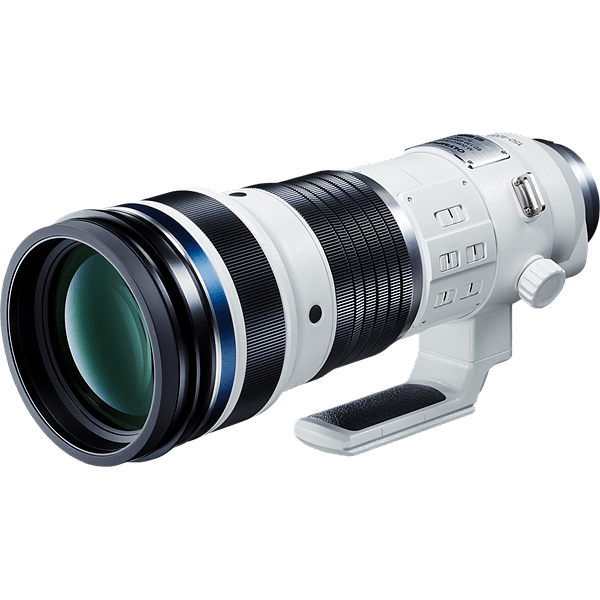
Olympus 150-400mm f/4.5 TC1.25x IS PRO
The flagship super-telephoto zoom in M43. 300-800mm equivalent with built-in 1.25x teleconverter extending to 1000mm equivalent. OIS coordinated with OM System IBIS. The professional choice for aviation and wildlife at extreme range.
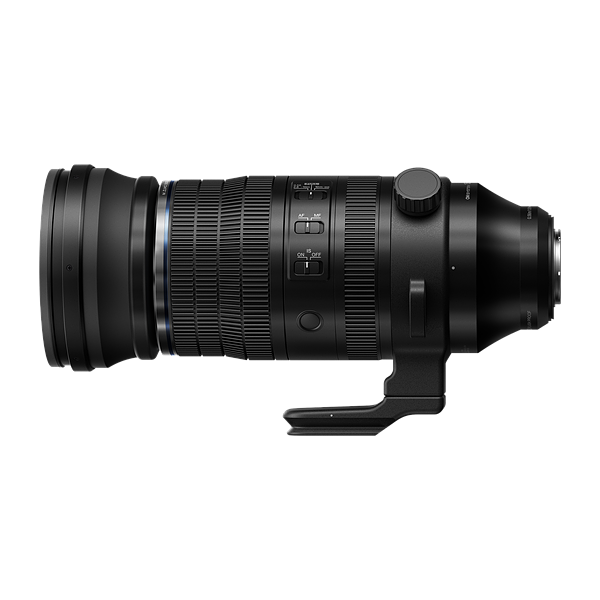
Olympus M.Zuiko Digital ED 150-600mm f/5-6.3 IS
300-1200mm equivalent with OIS and weather sealing — the longest native reach in the M43 system. For wildlife where subjects are distant and unpredictable. Variable aperture reaches f/6.3 at the long end.
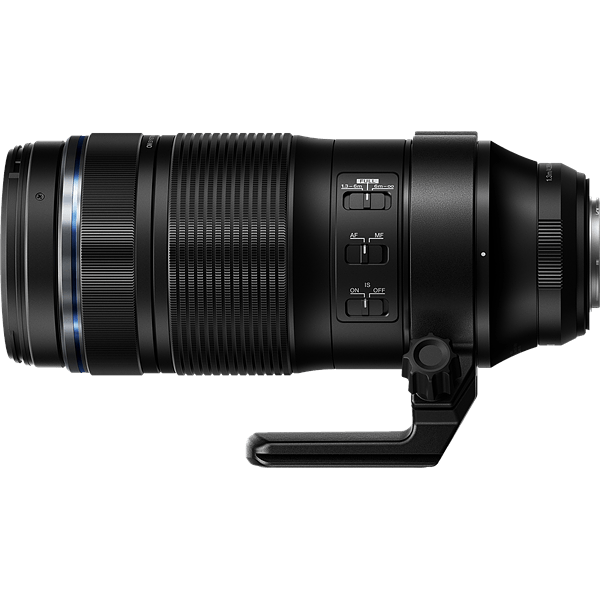
OM System M.Zuiko Digital 100-400mm f/5.0-6.3 IS II
200-800mm equivalent superzoom with OIS and weather sealing. The updated version with improved coatings and AF performance. A lighter, more affordable alternative to the 150-400mm Pro for birders and wildlife photographers.
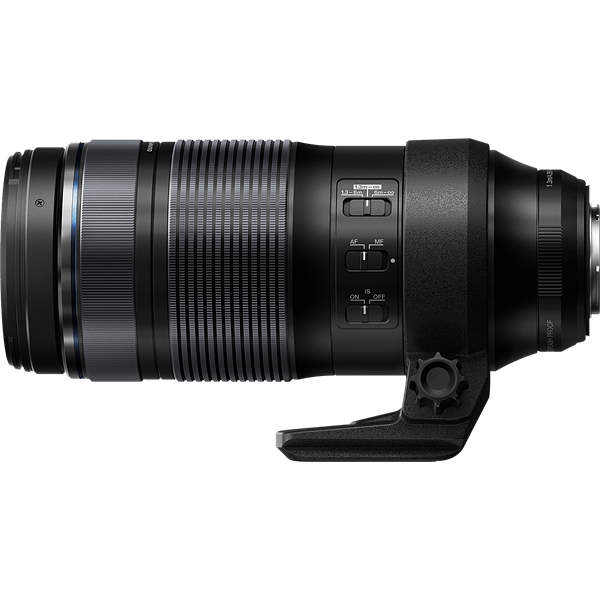
Olympus M.Zuiko Digital ED 100-400mm f/5-6.3 IS
200-800mm equivalent superzoom with OIS and weather sealing. First-generation version of the 100-400mm — widely available used at lower prices than the Mark II with the same fundamental reach advantage.
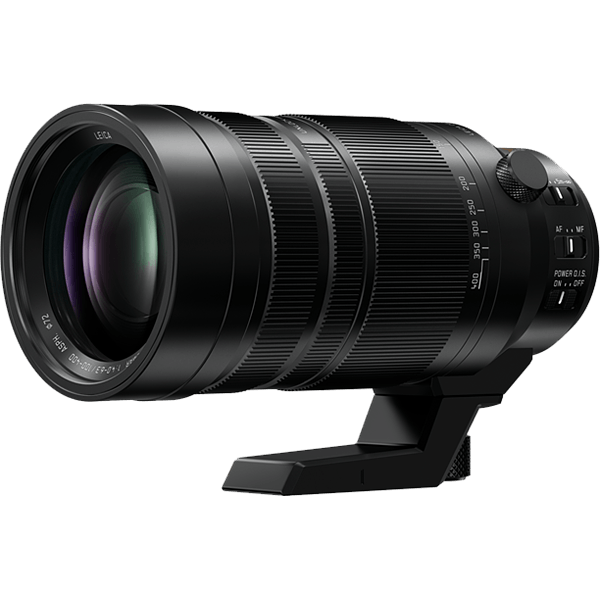
Panasonic Leica DG Vario-Elmar 100-400mm f/4-6.3 II
200-800mm equivalent with Dual IS 2 and weather sealing. The primary long telephoto option for Panasonic shooters. Second version adds improved AF and coatings over the original.
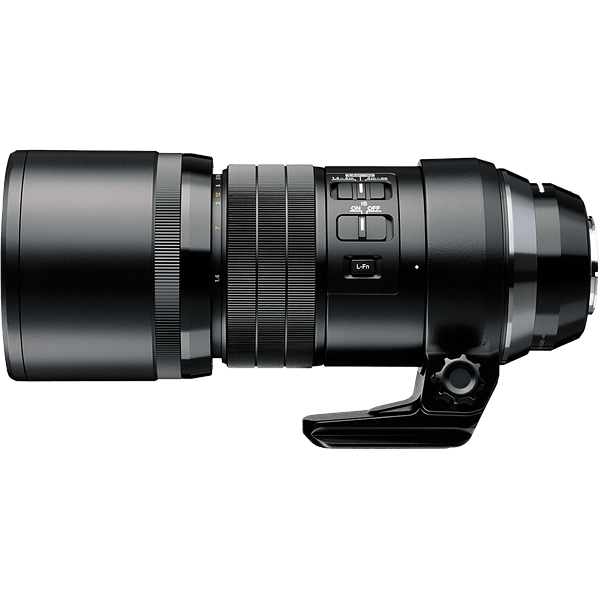
Olympus M.Zuiko ED 300mm f/4 IS PRO
600mm equivalent at f/4 with OIS and weather sealing. Fast and hand-holdable in a prime format. Add the MC-14 for 840mm equivalent or the MC-20 for 1200mm equivalent at the cost of one or two stops.
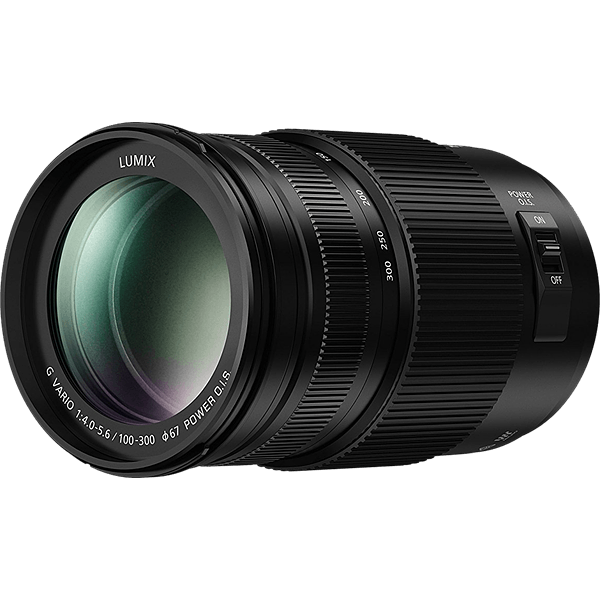
Panasonic Lumix G Vario 100-300mm f/4-5.6 II
200-600mm equivalent superzoom at an accessible price point. No OIS, but a lightweight and compact entry into super-telephoto reach for M43 shooters starting out with bird and wildlife photography.
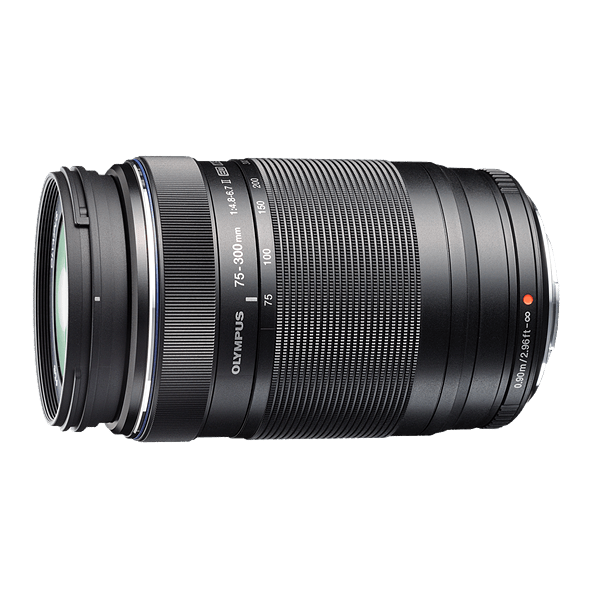
Olympus M.Zuiko Digital ED 75-300mm f/4.8-6.7 II
150-600mm equivalent without weather sealing. The most affordable long-reach telephoto in M43. Variable aperture, no OIS, but a practical starting point for wildlife shooting on a tight budget.
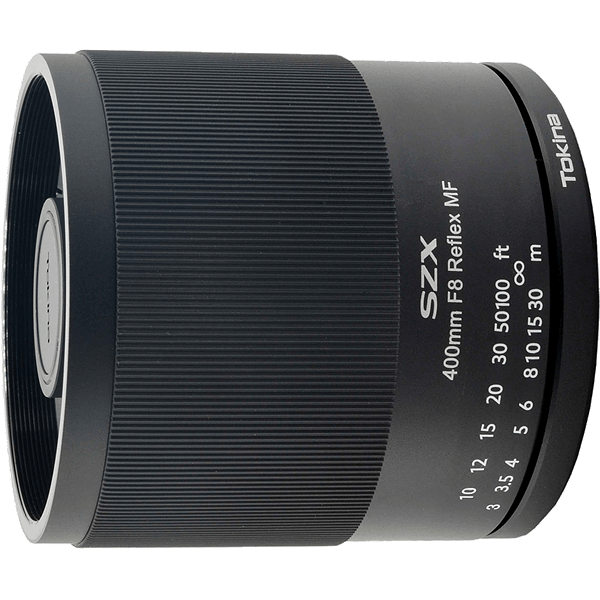
Tokina SZX Super Tele 400mm f/8 Reflex MF
800mm equivalent at f/8 in a compact reflex design. Manual focus only. Extremely small for its reach. Best for subjects that can be approached slowly — the fixed f/8 and manual focus limit use in fast-action situations.
Frequently Asked Questions
What is the longest super-telephoto reach available on M43?
The longest native zoom is the OM System 150-600mm f/5-6.3 IS, which delivers a 300-1200mm full-frame equivalent range. The OM System 150-400mm f/4.5 TC1.25x IS Pro reaches 500mm native (1000mm equivalent) with its built-in 1.25x teleconverter engaged, and extends further with the MC-14 or MC-20 external teleconverters. These figures are achievable in lenses that remain hand-holdable, which is the core reason wildlife photographers choose M43 for long-reach work.
Are super-telephoto M43 lenses light enough to hand-hold?
Yes, and this is the system's main advantage for birding. Because M43 lenses cover a smaller image circle, a lens delivering 600mm equivalent reach is far lighter than a full-frame 600mm. The Olympus 300mm f/4 IS Pro weighs around 1.27kg and is routinely hand-held, where a full-frame 600mm prime can weigh three times as much. Built-in optical stabilisation, coordinated with body IBIS on OM System and Panasonic Dual IS bodies, makes hand-held shooting at these focal lengths practical.
Should I use a teleconverter for more reach?
A teleconverter extends reach at the cost of light. An MC-14 adds 1.4x reach and loses one stop; an MC-20 adds 2x and loses two stops. On a 300mm f/4, the MC-14 gives 840mm equivalent at f/5.6 and the MC-20 gives 1200mm equivalent at f/8. Autofocus and image quality can soften slightly, and the narrower aperture demands more light. For distant or hard-to-approach subjects the extra reach is often worth it. The teleconverter calculator on this site shows the resulting focal length, aperture, and light loss for any combination.