The 10 Best Panasonic Leica Micro Four Thirds Lenses, Ranked
Panasonic’s premium lenses are co-engineered with Leica and carry the Leica DG name, using designations like Summilux, Nocticron, and Elmarit borrowed from Leica’s own range. Certified to Leica’s optical standards, they are among the best-rendering lenses you can fit to a Micro Four Thirds camera, known for sharpness, smooth out-of-focus rendering, and build quality. There are more than ten of them, so this is a ranked shortlist of the best, weighing optical quality, how unique the lens is to the system, versatility, and value. Reputation here reflects the consensus of long-term reviews and the wider M43 community, not just spec sheets.
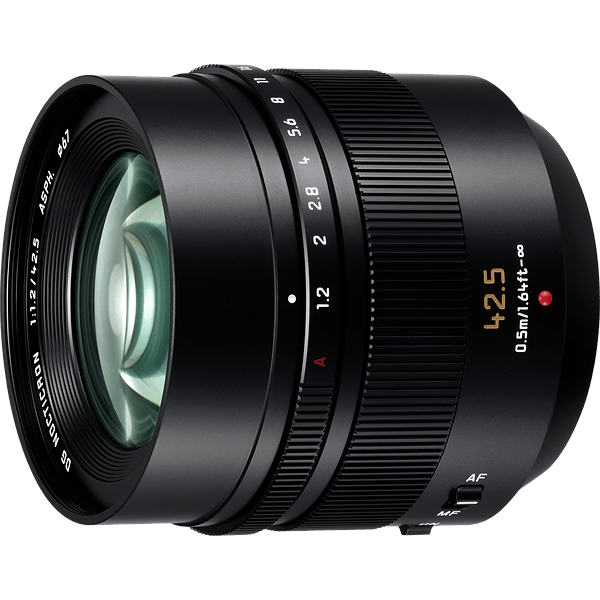
Panasonic Leica DG Nocticron 42.5mm f/1.2
Widely regarded as one of the finest lenses ever made for Micro Four Thirds, full stop. An 85mm equivalent at f/1.2, it delivers the strongest subject separation and most three-dimensional rendering of any native M43 lens, with sharpness wide open that most portrait lenses cannot match. The Nocticron name is reserved for this single f/1.2 optic. At around $1,297 it is not cheap, but nothing else in the system renders portraits like it, which is why it tops the list.
- 85mm equivalent f/1.2, the fastest portrait prime
- Best-in-system subject separation and bokeh
- Power OIS plus weather sealing
- One of the most expensive native primes
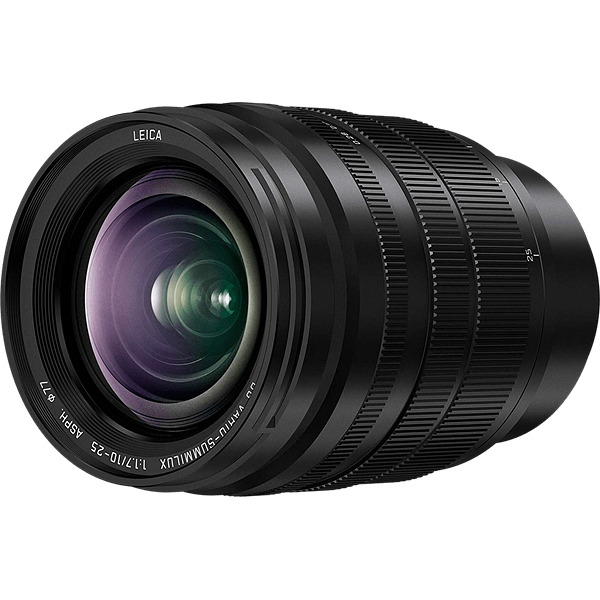
Panasonic Leica DG Vario-Summilux 10-25mm f/1.7
A constant f/1.7 zoom covering 20-50mm equivalent, with no equivalent in any camera system at any price. It effectively replaces a bag of fast wide-to-normal primes in one lens, which is why it has become a halo lens for M43 video and event shooters. At around $1,797 it is an investment, but the combination of zoom flexibility and prime-fast aperture is genuinely unique, earning it second place.
- Constant f/1.7 zoom, unique to M43
- Replaces several fast primes in one lens
- Weather sealed, ideal for video
- Large and heavy for the system
- Premium price near $1,800
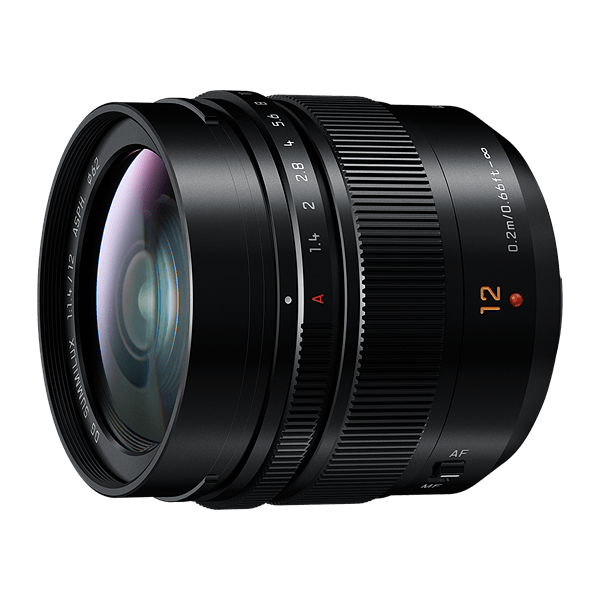
Panasonic Leica DG Summilux 12mm f/1.4
The best wide-angle prime in the Leica DG range. A 24mm equivalent at f/1.4, with metal weather-sealed construction, excellent sharpness wide open, and strong coma control that makes it a favourite for astrophotography as well as reportage and interiors. The classic wide focal length done to a very high standard.
- 24mm equivalent f/1.4 for astro and reportage
- Strong coma control wide open
- Metal weather-sealed build
- Pricey for a single wide prime
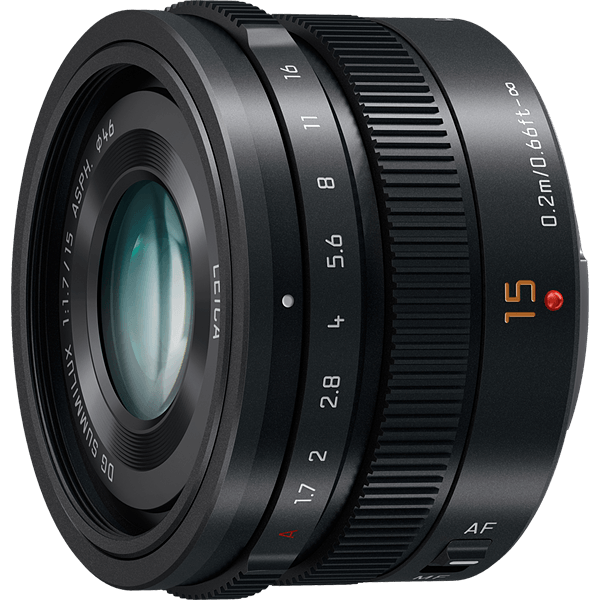
Lumix Leica DG Summilux 15mm f/1.7 ASPH
The value champion of the range. A 30mm equivalent at f/1.7 for around $397, far cheaper than the rest of the Summilux line while still delivering the Leica rendering. Compact and beautifully built, it is the everyday street and walkaround prime that proves Leica DG quality does not have to cost a fortune.
- Excellent value around $397
- Compact, ideal everyday street prime
- Leica rendering at a low price
- No weather sealing
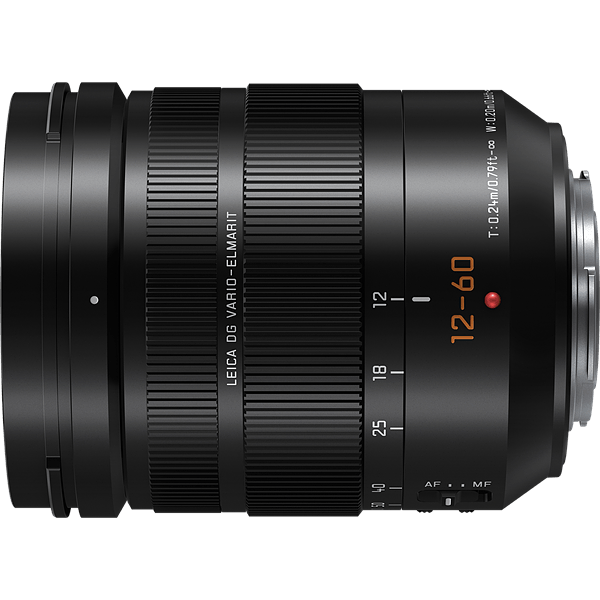
Leica DG Vario-Elmarit 12-60mm f/2.8-4
The best single do-everything lens in the range. A 24-120mm equivalent walkaround starting at f/2.8, with useful close-focus and Leica rendering, for around $797. Not the fastest, but the most genuinely useful Leica zoom for travel and general shooting, and the one most Panasonic owners reach for first.
- 24-120mm equivalent, the best all-rounder
- Useful close-focus performance
- Weather sealed with Power OIS
- Variable aperture, not constant f/2.8
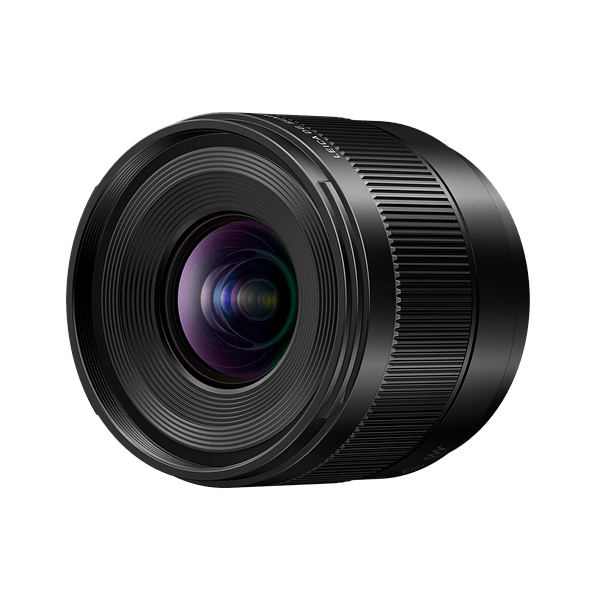
Leica Summilux 9mm f/1.7 ASPH
An 18mm equivalent at f/1.7, unusually wide and fast in a tiny body. There is little else like it, and it suits interiors, landscapes, vlogging, and astro where you want a wide bright field of view. A relatively recent 2023 addition that quickly earned a place in the lineup.
- 18mm equivalent f/1.7, unusually wide and fast
- Tiny and light for the angle of view
- Great for vlogging, interiors, and astro
- Specialised ultra-wide field of view
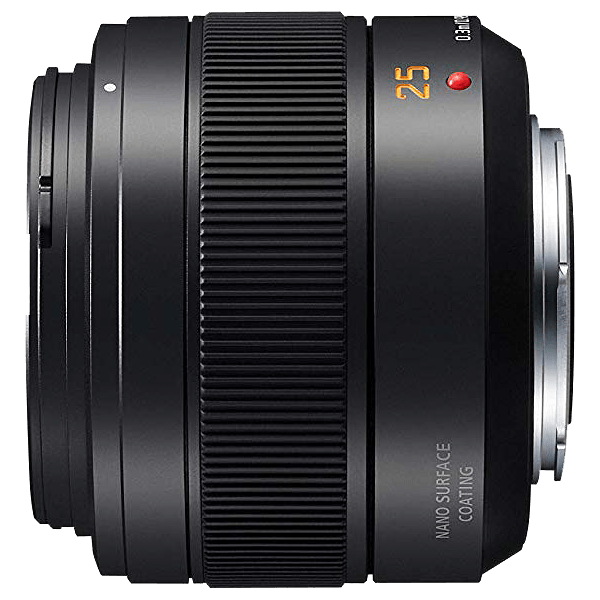
Panasonic Leica DG Summilux 25mm f/1.4 II
The normal fast prime, a 50mm equivalent at f/1.4 with Leica rendering, for around $597. An updated version of a long-loved standard lens that handles portraits, low light, and everyday shooting with the smooth out-of-focus character the range is known for.
- 50mm equivalent f/1.4, the classic normal
- Smooth Leica out-of-focus rendering
- Reasonable price around $597
- No weather sealing or OIS
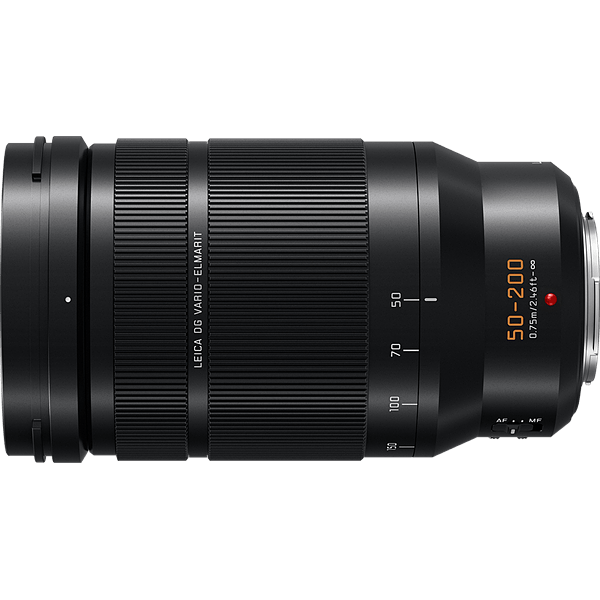
Leica DG Vario-Elmarit 50-200mm f/2.8-4
The best telephoto zoom in the range. A 100-400mm equivalent starting at f/2.8, with Power OIS for Dual IS on Panasonic bodies, and compact for its reach. A strong wildlife, sports, and portrait option that also accepts Panasonic teleconverters for even more reach.
- 100-400mm equivalent, compact for its reach
- Power OIS for Dual IS on Panasonic
- Accepts Panasonic teleconverters
- Aperture narrows to f/4 at the long end
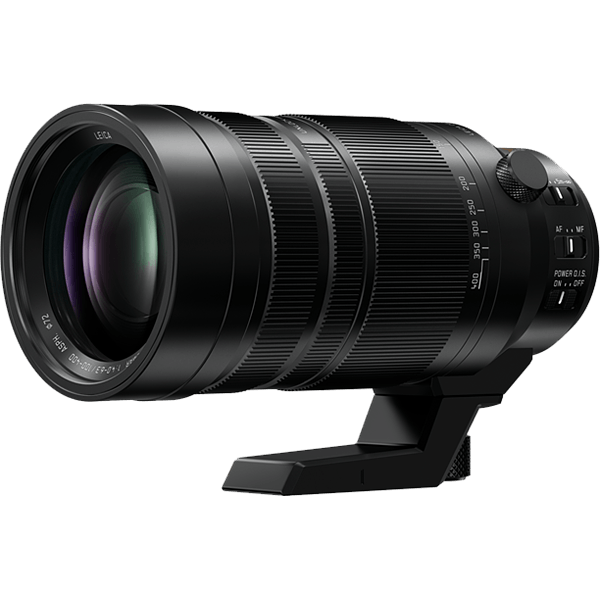
Panasonic Leica DG Vario-Elmar 100-400mm f/4-6.3 II
The reach champion. A 200-800mm equivalent super-telephoto zoom that is still handholdable for the range it covers, ideal for distant wildlife, birds, and the Moon. The most extreme everyday reach you can get in a Leica DG lens, and the practical choice when you need more than the 50-200mm gives.
- 200-800mm equivalent reach
- Handholdable for the focal range
- Ideal for distant wildlife and the Moon
- Slow f/4-6.3 aperture in low light
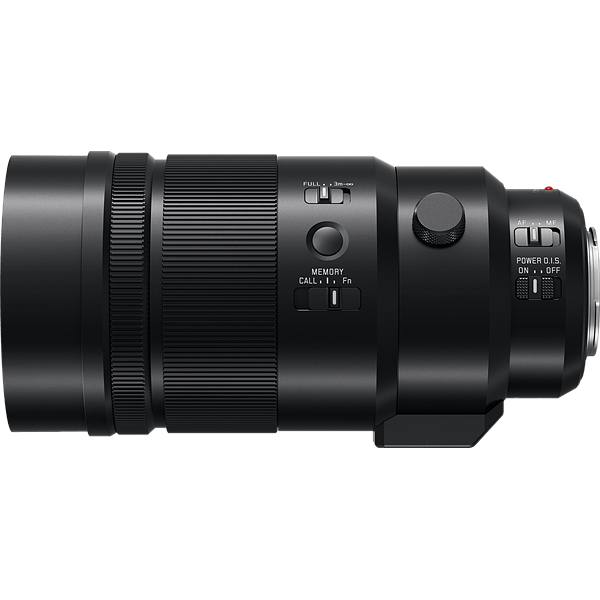
Leica DG Elmarit 200mm f/2.8 Power OIS
The specialist super-telephoto prime, a 400mm equivalent at f/2.8 and the longest fast Leica prime here. It ships with the DMW-TC14 teleconverter, making 560mm equivalent at f/4 for birds and wildlife. At around $2,797 it is a dedicated tool rather than a general buy, which places it last on a list this strong rather than reflecting any weakness.
- 400mm equivalent f/2.8 prime
- Ships with the DMW-TC14 teleconverter
- Excellent for birds and sports
- Expensive and specialised at around $2,797
Frequently Asked Questions
Are Panasonic Leica lenses actually made by Leica?
Panasonic Leica DG lenses are designed by Panasonic to Leica’s optical standards and certified by Leica, under a long-running partnership between the two companies. They are manufactured by Panasonic, not in Leica’s own factories, but they must meet Leica’s specifications to carry the Leica DG name and designations like Summilux and Nocticron. In practice they are Panasonic’s premium tier and are highly regarded for image quality.
What do Summilux, Nocticron, and Elmarit mean?
These are Leica naming conventions that indicate the maximum aperture. Summilux denotes a fast f/1.4 aperture, Nocticron is used for the very fast f/1.2, and Elmarit indicates f/2.8. The Vario- prefix marks a zoom, so a Vario-Elmarit is an f/2.8 zoom and a Summilux is an f/1.4 prime. The names carry over directly from Leica’s own lens range.
Which Panasonic Leica lens should I buy first?
For most people the Leica DG Summilux 15mm f/1.7 is the best first Leica lens. At around $397 it is the most affordable in the range, gives a useful 30mm equivalent field of view, and delivers the Leica rendering and build quality without the high price of the flagship primes. If you want one do-everything zoom instead, the 12-60mm f/2.8-4 is the most versatile single choice.
Do Panasonic Leica lenses work on Olympus and OM System cameras?
Yes. All Micro Four Thirds lenses share the same mount, so Panasonic Leica DG lenses fit and function on Olympus and OM System bodies. The main caveat is stabilisation: the Power OIS in some of these lenses coordinates fully with Panasonic Dual IS, while on OM System bodies you generally rely on the camera’s in-body stabilisation rather than a combined system.