Best Micro Four Thirds Cameras with IBIS
In-body image stabilisation compensates for camera shake by moving the sensor in response to detected motion. On Micro Four Thirds cameras, IBIS operates on up to 5 axes and is measured in stops of stabilisation. The flagship OM System bodies top out at 8.5 stops with a compatible OIS lens; Panasonic bodies with IBIS typically rate between 6.5 and 7.5 stops. IBIS is useful with every lens you mount, including adapted manual focus glass that carries no stabilisation of its own. Current Micro Four Thirds bodies with IBIS span a wide price range, from the compact OM System OM-5 to the flagship OM-1 Mark II.
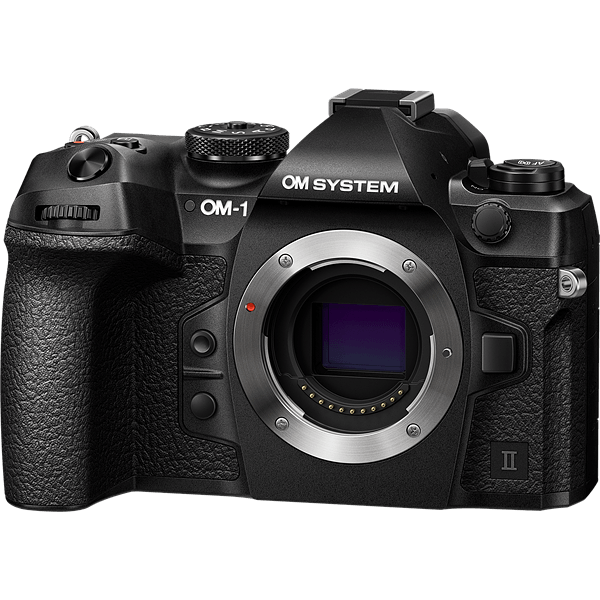
OM System OM-1 Mark II
The current IBIS benchmark in M43. Rated at 8.5 stops with compatible OIS lenses. Uses a coordinated system where body and lens share motion data to divide correction work.
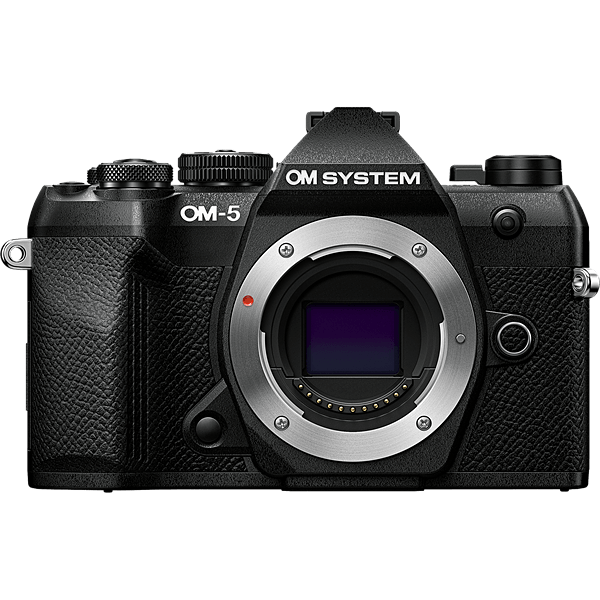
OM System OM-5 II
Compact weather-sealed body with 7.5-stop IBIS and phase-detection AF. A practical field camera that pairs well with the system's sealed telephoto lenses.
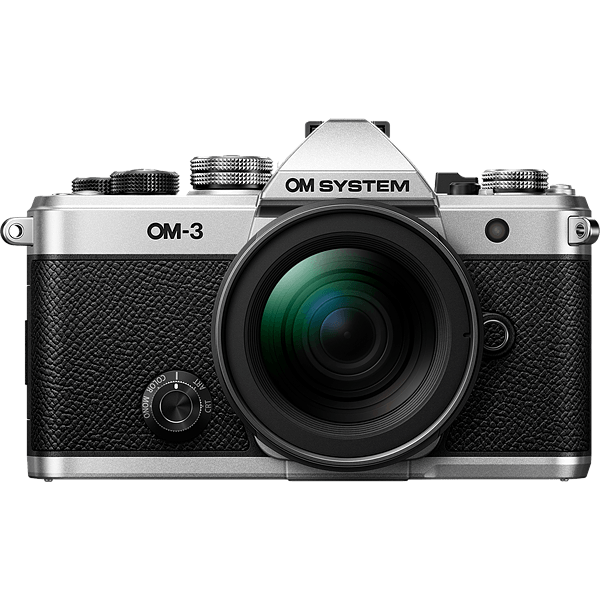
OM System OM-3
Smaller and lighter than the OM-1 line with 7.5-stop IBIS. Aimed at photographers who want phase-detection AF and sealing without the flagship weight and price.
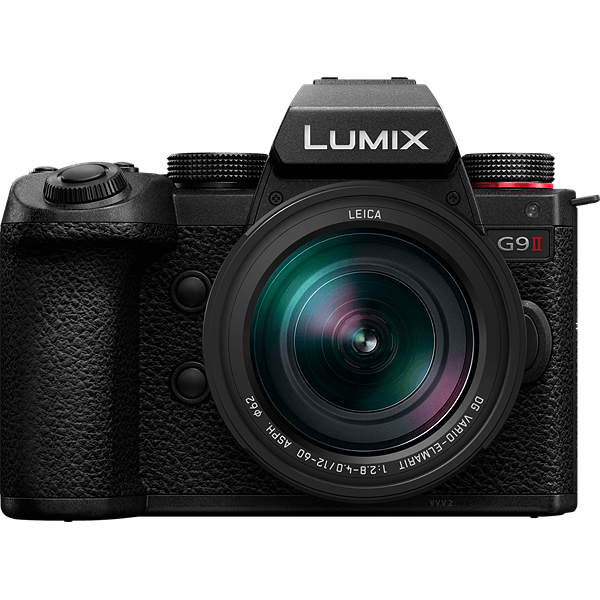
Panasonic Lumix G9 II
Panasonic's current stills-oriented flagship with 6.5-stop IBIS and Dual IS 2 support. Works with Panasonic's own OIS lenses for coordinated correction.
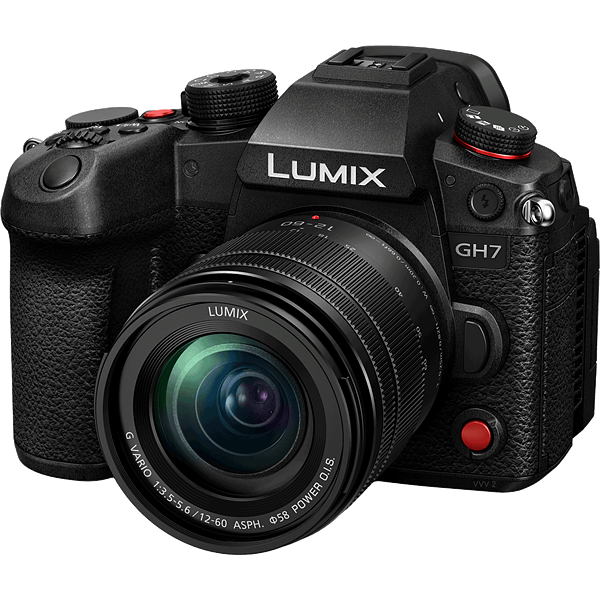
Panasonic Lumix GH7
Video-first body with 6.5-stop IBIS. Dual IS 2 coordinates lens and body stabilisation for video work where smooth handheld footage matters.
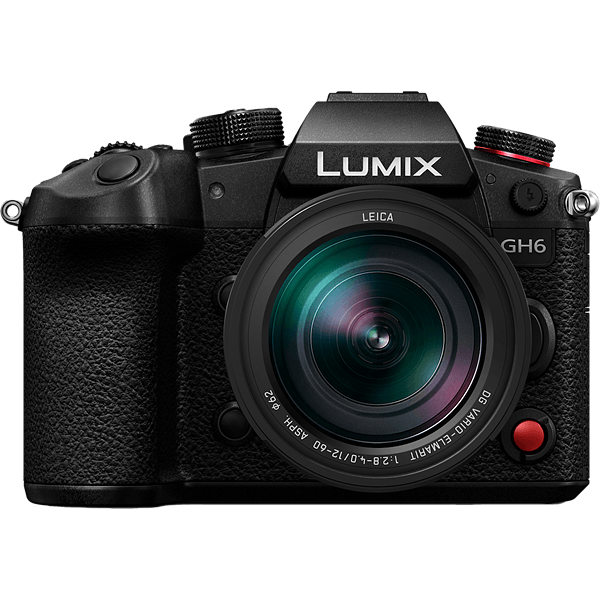
Panasonic Lumix GH6
7.5-stop IBIS with Dual IS 2. Available at a lower price than the GH7 and still covers 4K 60fps with log. A strong option for stabilised video production.
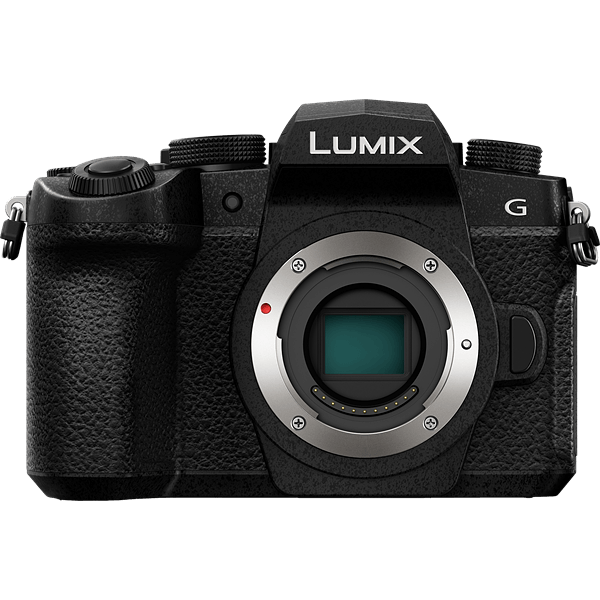
Panasonic Lumix G97
Mid-range body with 5-axis IBIS in a weather-sealed build. Less AF capability than the G9 II, but the stabilisation and sealing hold up for travel and outdoor use.
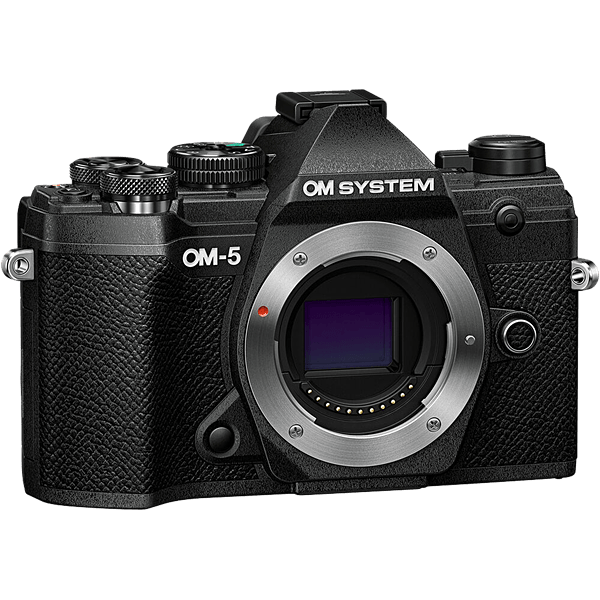
OM System OM-5
Compact weather-sealed body with 5-axis IBIS and a smaller footprint than the OM-5 II. A practical entry point into sealed IBIS shooting for photographers who prioritise portability.
Frequently Asked Questions
What is IBIS in Micro Four Thirds cameras?
IBIS, or in-body image stabilisation, compensates for camera shake by physically moving the image sensor in response to detected motion. M43 cameras with IBIS stabilise images and video across up to 5 axes of movement, covering pitch, yaw, roll, and horizontal and vertical shift. This means IBIS works with every lens you mount on the camera, including legacy manual focus lenses that have no stabilisation of their own.
How many stops of stabilisation do M43 IBIS cameras offer?
M43 cameras with IBIS currently offer between 5 and 8.5 stops of stabilisation depending on the body. Flagship bodies from OM System, including the OM-1 and OM-1 Mark II, claim up to 8.5 stops when using compatible OM System lenses with the coordinated stabilisation system. Panasonic bodies typically offer 6.5 to 7.5 stops. The number of stops indicates how many shutter speed steps slower you can shoot before shake becomes visible.
Does M43 IBIS work with adapted lenses from other mounts?
Yes. M43 IBIS works with any lens mounted to the camera, including adapted lenses from other systems such as Four Thirds, Leica M, Canon EF, and others. When using an adapted lens without electronic communication, the camera applies stabilisation without focal length data, which may reduce effectiveness. You can manually enter the focal length on most M43 bodies to improve IBIS performance with adapted glass.