Best M43 Cameras for Bird Photography
Bird photography asks more of a camera than almost any other genre: fast, reliable autofocus that locks onto a small moving subject, high burst rates to catch the moment of take-off, and enough reach to fill the frame from a distance. Micro Four Thirds answers the reach problem directly. The 2x crop factor turns a 300mm lens into a 600mm full-frame equivalent and a 100-400mm zoom into 200-800mm, in a kit light enough to carry all day and hand-hold without a gimbal. The bodies below pair that reach advantage with on-sensor phase-detection AF, dedicated bird subject recognition, and burst rates from 30 to 120 frames per second. They are the M43 cameras most birders reach for.
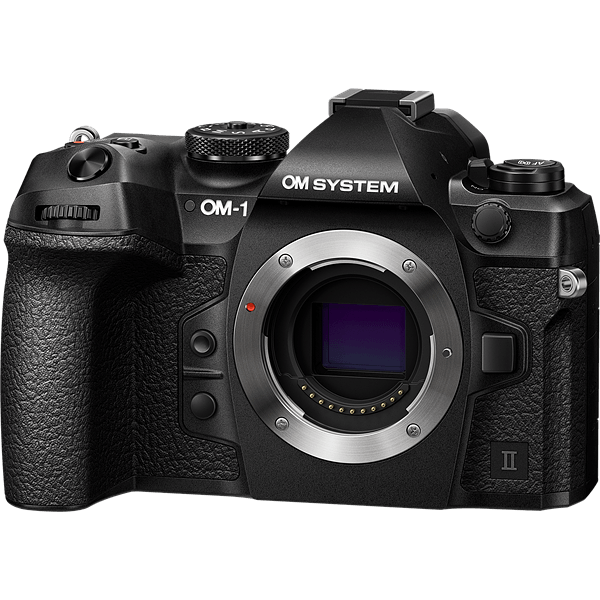
OM System OM-1 Mark II
The benchmark for bird photography in M43. Dedicated bird subject recognition, up to 120fps blackout-free burst with the electronic shutter, and 8.5-stop IBIS for handheld shooting at long focal lengths. The pro-capture mode buffers frames before the shutter is fully pressed, catching unpredictable take-offs.
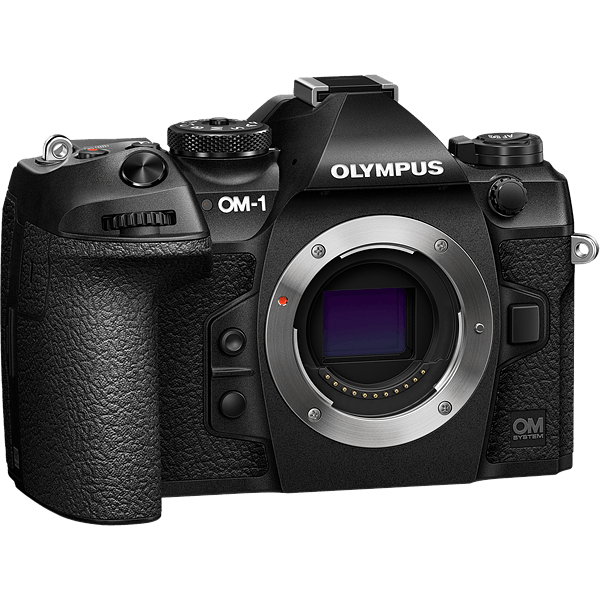
OM System OM-1
First-generation OM-1 with bird subject recognition and on-sensor PDAF. Close to the Mark II in AF capability at a meaningfully lower price. A strong used-market option for serious bird photographers.
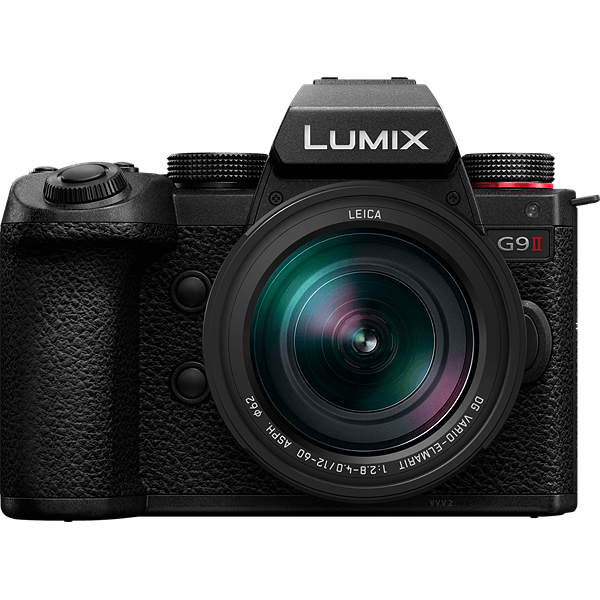
Panasonic Lumix G9 II
The strongest current Panasonic body for bird shooting, having added on-sensor PDAF and subject recognition that earlier G9 models lacked. Dual IS 2 helps at long focal lengths with Panasonic's OIS telephoto lenses.
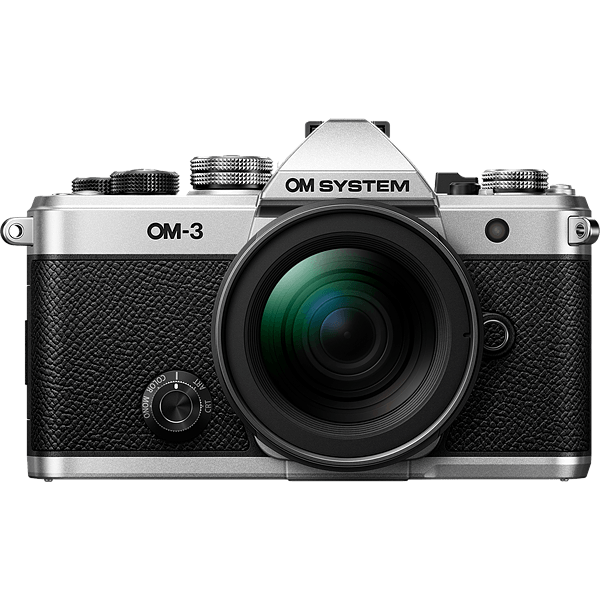
OM System OM-3
Compact sealed body with bird recognition and phase-detection AF. Lighter than the OM-1 line for birders who cover distance on foot and want a capable tracking system in a smaller package.
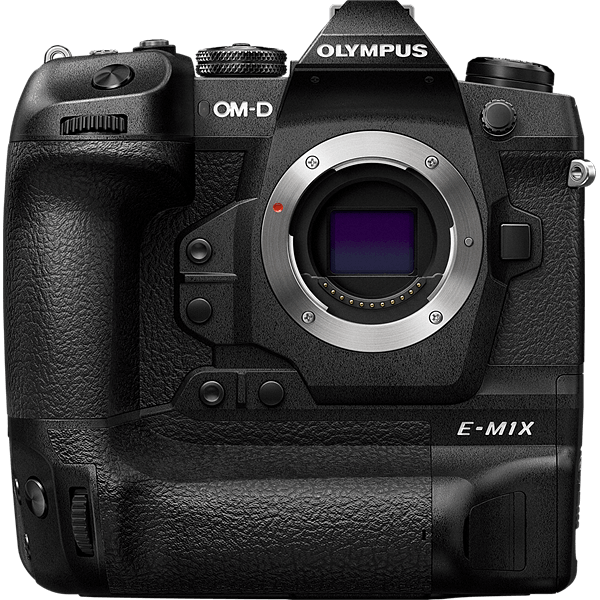
Olympus OM-D E-M1X
Olympus's integrated-grip body with deep AI subject recognition and built-in subject detection well-suited to birds. Discontinued but still respected for its tracking consistency and robust sealed build.
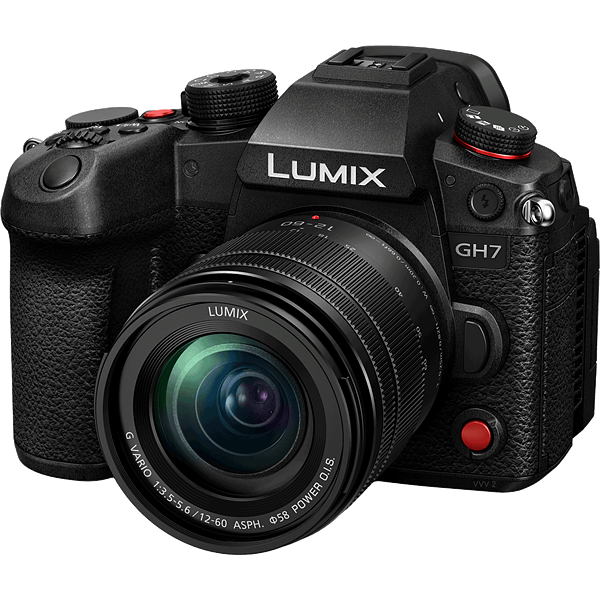
Panasonic Lumix GH7
Video-first body that also tracks birds with PDAF. Suited to birding videographers who need 4K 60fps wildlife footage alongside stills capability in a weather-sealed body.
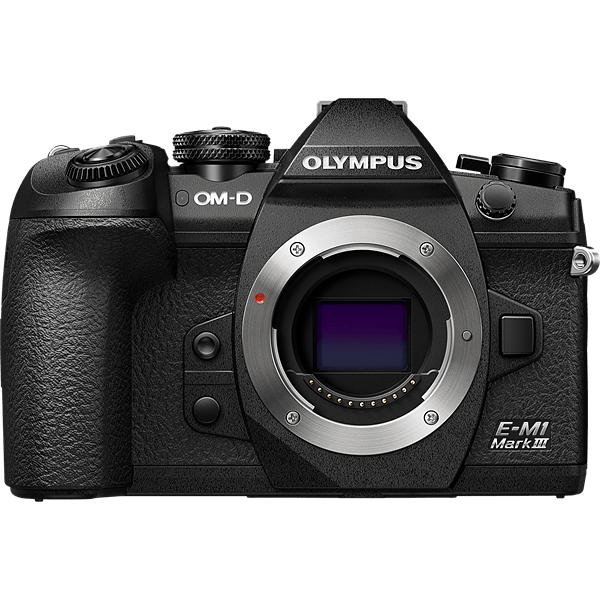
Olympus OM-D E-M1 III
Olympus E-M1 Mark III with AI bird recognition and reliable continuous AF. Discontinued but widely available on the used market for birders who want a proven OM-D body at a reduced price.
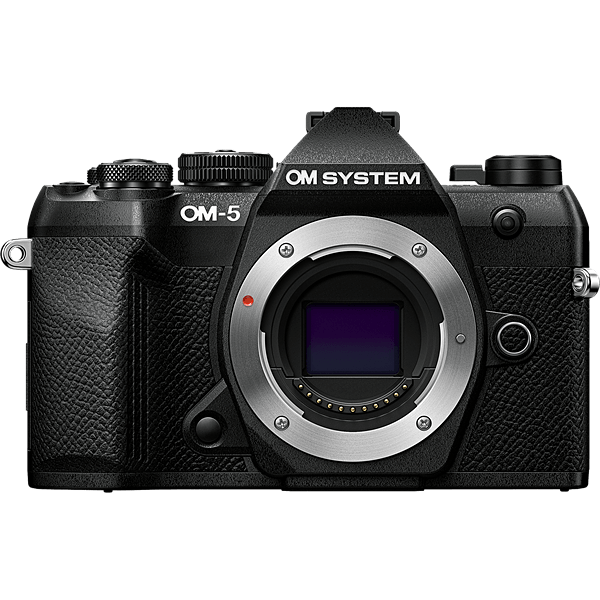
OM System OM-5 II
The most portable sealed body on this list with bird subject recognition. For birders who hike long distances, the reduced weight compared to the OM-1 series is a practical advantage without sacrificing modern PDAF.
Frequently Asked Questions
Is Micro Four Thirds good enough for serious bird photography?
For many birders, yes. The 2x crop factor gives a real reach advantage: a 300mm f/4 lens delivers a 600mm full-frame equivalent field of view in a package light enough to hand-hold all day. Modern OM System bodies add on-sensor phase-detection AF with bird detection and burst rates up to 120fps. The trade-off is high-ISO noise in low light, where larger sensors still pull ahead. For daylight perched and in-flight work, M43 is highly competitive; for dawn and dusk shooting in deep cover, a larger sensor has an edge.
Which M43 camera has the best autofocus for birds in flight?
The OM System OM-1 Mark II is generally regarded as the strongest M43 body for birds in flight, with refined bird subject detection, on-sensor phase-detection AF, and up to 120fps blackout-free shooting with focus tracking. The original OM-1 is close behind. The Panasonic G9 II is the strongest Panasonic option, having added phase-detection AF that earlier Panasonic bodies lacked. Performance varies with light, distance, and how cluttered the background is.
What burst rate do I need for birds in flight?
Higher burst rates improve your odds of catching the exact wing position you want, but autofocus tracking matters more than raw frame rate. The bodies on this list range from 30fps to 120fps with the electronic shutter. Many birders find that 20 to 30fps with reliable continuous AF produces more keepers than a faster rate where focus cannot keep up. The OM System flagships offer pro-capture modes that buffer frames before you fully press the shutter, which is particularly useful for unpredictable take-offs.