Micro Four Thirds for Travel Photography
A weather-sealed M43 body and one versatile zoom lens can cover 24-200mm equivalent at under 1kg combined. The format's compact size, widespread IBIS, and flexible lens options make it a practical choice for photographers who want a capable interchangeable lens system without a dedicated camera bag.
Weight on the road
A camera that is too heavy to carry stops getting used. On a long travel day, the difference between a 400g kit and a 1.5kg kit is the difference between leaving it in the hotel and having it on your shoulder.
M43 bodies are physically small. The sensor is smaller than full frame or APS-C, and the lenses scale proportionally. The mount has a short flange distance, which allows compact body designs. The result is a system where even the high-end bodies stay under 600g.
The OM System OM-5 weighs 366g with battery. It is weather sealed, has 7-stop IBIS, and fits in a jacket pocket. The OM-5 II is 370g with the same sealing and stabilisation. The Panasonic G100D is 333g and is one of the most compact M43 bodies with a built-in electronic viewfinder.
These weights are with battery. Add a lens and a strap and you are still carrying less than many single full-frame lenses.
How the crop factor affects travel lenses
The M43 sensor's 2x crop factor means a lens needs half the physical focal length to achieve the same angle of view as on full frame. A 12mm lens frames like a 24mm. A 75mm lens frames like a 150mm.
This matters for travel because it shifts the useful focal length range down. Wide zooms that cover 24-70mm equivalent use physically smaller optics. Lenses covering 24-200mm equivalent fit in a compact barrel. The optics are smaller, so the lenses are lighter.
It also means superzooms are more practical on M43 than on larger formats. A lens covering 24-400mm equivalent on full frame would be large and heavy. On M43, the equivalent 12-200mm lens weighs 455g.
Single-lens travel setups
One of the most useful things about M43 for travel is that a single lens can cover a wide practical range without the size and weight of a full-frame superzoom.
The Olympus 12-100mm f/4 IS PRO covers 24-200mm equivalent with a constant f/4 aperture. It is weather sealed, has built-in optical stabilisation that coordinates with OM System bodies for up to 7.5 stops combined, and weighs 561g. The 24-200mm equivalent range covers architecture, street scenes, markets, and portraits without a lens change.
The Olympus 12-200mm f/3.5-6.3 extends that range to 24-400mm equivalent at 455g. It does not have optical stabilisation, so it depends on body IBIS. The aperture is variable and reaches f/6.3 at the long end, which is a limitation in lower light. For travel where you want maximum range in a single lens and shoot mostly in daylight, it is one of the most compact options available.
The Panasonic 14-140mm f/3.5-5.6 II covers 28-280mm equivalent and weighs 265g. It is one of the lightest M43 superzooms. The Olympus 14-150mm f/4-5.6 II covers 28-300mm equivalent at 285g. Neither has optical stabilisation built in, relying on body IBIS.
Two-lens options
A wide standard zoom plus a short telephoto or portrait prime is a common travel combination. On M43, both lenses fit in a small shoulder bag alongside the body.
The Leica DG Vario-Elmarit 12-60mm f/2.8-4 covers 24-120mm equivalent at 320g with optical stabilisation. Pairing it with a compact telephoto like the Olympus 40-150mm f/4-5.6 R gives coverage from 24mm to 300mm equivalent in two lenses totalling around 500g.
For travel with a social or portrait focus, a fast standard prime alongside a compact zoom is another option. Primes are generally lighter than zooms at equivalent apertures and focal lengths.
Stabilisation without a tripod
Most current M43 bodies include in-body image stabilisation. This is practical for travel because tripods are often impractical: museums ban them, crowded streets make them awkward, and they add weight and bulk.
OM System bodies currently offer some of the strongest IBIS available in mirrorless cameras. The OM-5 and OM-5 II rate at 7 stops with compatible lenses. The OM-1 and OM-1 Mark II rate at 8 and 8.5 stops respectively. These ratings follow the CIPA standard and reflect coordinated body plus lens stabilisation with compatible optics.
In practice this means hand-held shots at shutter speeds that would require a tripod on other systems. Interior shots without flash, low-light street scenes, and moving subjects in dim conditions all become more usable.
Weather sealing across the system
Travel involves conditions you cannot control. Rain in a market, sea spray at a coastal location, dust on a dry trail. A weather-sealed system handles these without requiring lens changes or a protective cover.
OM System offers weather sealing across more of its lineup than most brands. The OM-5 brings sealing into a compact 366g body. The OM-1 and OM-1 Mark II are the flagship sealed bodies with the strongest AF and burst performance. Several PRO-grade lenses are sealed to match.
Panasonic's weather-sealed M43 bodies include the G9 II and the GH series. These are larger and heavier than the OM System compact bodies but offer strong video performance alongside the stills capability.
Where M43 has limitations for travel
The smaller sensor is a real factor in low-light situations. Evening restaurant interiors, dimly lit temples, indoor markets without windows: these are the conditions where a larger sensor resolves more detail at high ISO. M43 produces usable results in these situations but not at the same level as current full-frame cameras.
Battery life is another consideration. Compact M43 bodies use smaller batteries. The G100D and OM-10 in particular have short battery life by camera standards. Carrying two or three batteries is common practice, which adds a small amount of weight and requires planning.
Background separation for portraits is limited compared to full frame. The 2x crop means achieving a shallow depth of field requires either a fast aperture or a longer focal length. At equivalent field of view and depth of field, an M43 lens needs to be one stop faster than its full-frame equivalent. This is a physical characteristic of the format, not a flaw in any specific lens.
Who uses M43 for travel
- Photographers who carry their camera as part of everyday luggage rather than as a dedicated item
- Anyone who wants weather sealing at compact body size without moving to a larger format
- Travellers who shoot a wide range of subjects and want to cover that range without multiple large lenses
- Photographers coming from a smartphone who want better image quality and manual control without committing to a heavy system
Pros and cons
Pros
- Compact bodies: the OM-5 weighs 366g with battery, the G100D weighs 333g
- Wide coverage from a single lens: the 12-200mm covers 24-400mm equivalent at 455g
- Strong IBIS on most bodies, reducing the need for a tripod in low-light interiors
- Weather sealing available on compact bodies, not just flagship models
- Smaller kit overall: body plus two lenses typically fits a small shoulder bag
Cons
- High ISO performance trails full-frame cameras in dim conditions
- Compact bodies use smaller batteries with shorter shot counts per charge
- Less background separation than full frame at equivalent field of view
- Dynamic range in high-contrast scenes is more limited than larger sensors
- Fewer lens choices than full-frame systems, though the M43 catalogue is large
Frequently asked questions
Is M43 good enough for travel photography?
For most travel subjects in reasonable light, yes. Architecture, street scenes, markets, portraits, and landscapes all work well on M43. The limitation is low-light performance. If most of your travel photography happens indoors in dim venues or at night, a larger sensor will give cleaner results.
What is the best single lens for M43 travel?
The Olympus 12-100mm f/4 IS PRO is the strongest single travel lens in the M43 system. It covers 24-200mm equivalent with a constant f/4 aperture, weather sealing, and built-in optical stabilisation. The Olympus 12-200mm covers more range at less weight and cost, but with a variable aperture and no optical stabilisation.
Do I need weather sealing for travel?
It depends on where you travel. For city trips with predictable weather, an unsealed body is fine. For outdoor travel, hiking, coastal locations, or anywhere rain is likely, a sealed body removes a source of anxiety. OM System offers weather sealing on bodies as light as 366g, which makes it a practical option without a significant weight penalty.
How does M43 compare to APS-C for travel?
APS-C has a larger sensor with better high-ISO performance. M43 has a more compact lens ecosystem and stronger IBIS on OM System bodies. For travel where low-light performance matters most, APS-C has an advantage. For travel where weight and kit size are the priority, M43 is more competitive. The two formats are close enough that the available lens lineup and body features are often the deciding factor.
Is M43 good in low light?
Usable, but not the strongest format for it. In daylight and good indoor light, M43 produces clean images. At ISO 3200 and above, noise is more visible than on APS-C or full frame at the same settings. Strong IBIS helps in static scenes by allowing slower shutter speeds, but it does not help with moving subjects in dim light.
Can M43 replace a phone for travel?
A phone and an M43 camera solve different problems. A phone is always with you, connects instantly, and handles computational photography well. An M43 camera gives you interchangeable lenses, a larger sensor, physical controls, and significantly better results with telephoto subjects. Most travel photographers who carry an M43 camera still use their phone for casual shots and use the camera for subjects where the difference in quality is worth the extra carry weight.
Micro Four Thirds cameras for travel
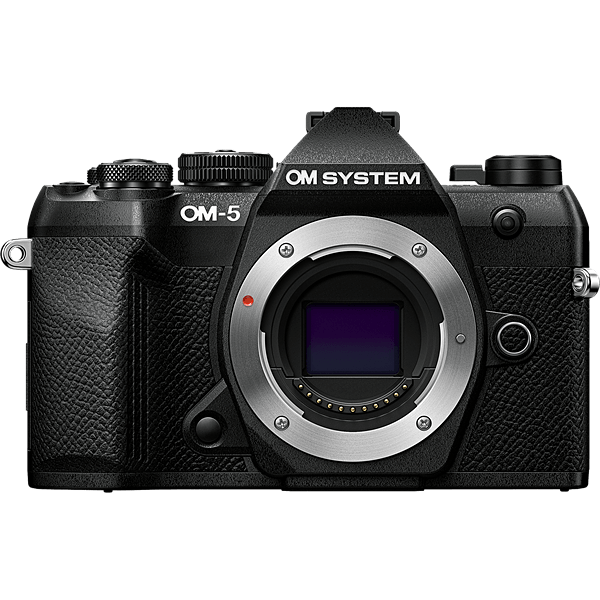
OM System OM-5 II
20.4MP Live MOS · 7-stop IBIS · Weather sealed
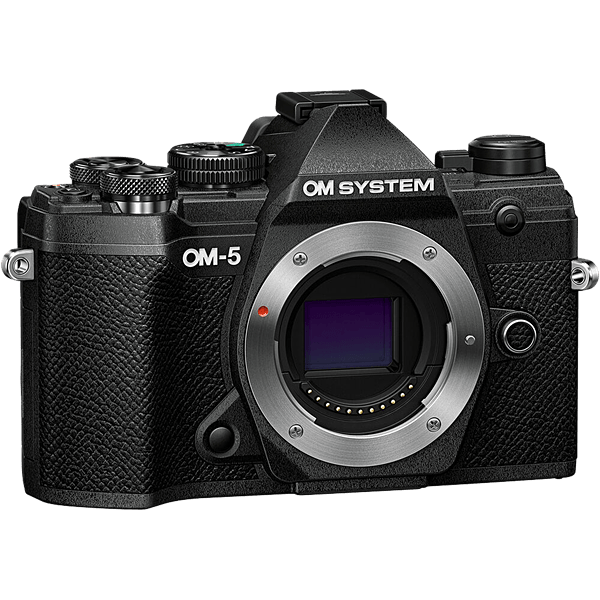
OM System OM-5
20.4MP Live MOS · 7-stop IBIS · Weather sealed
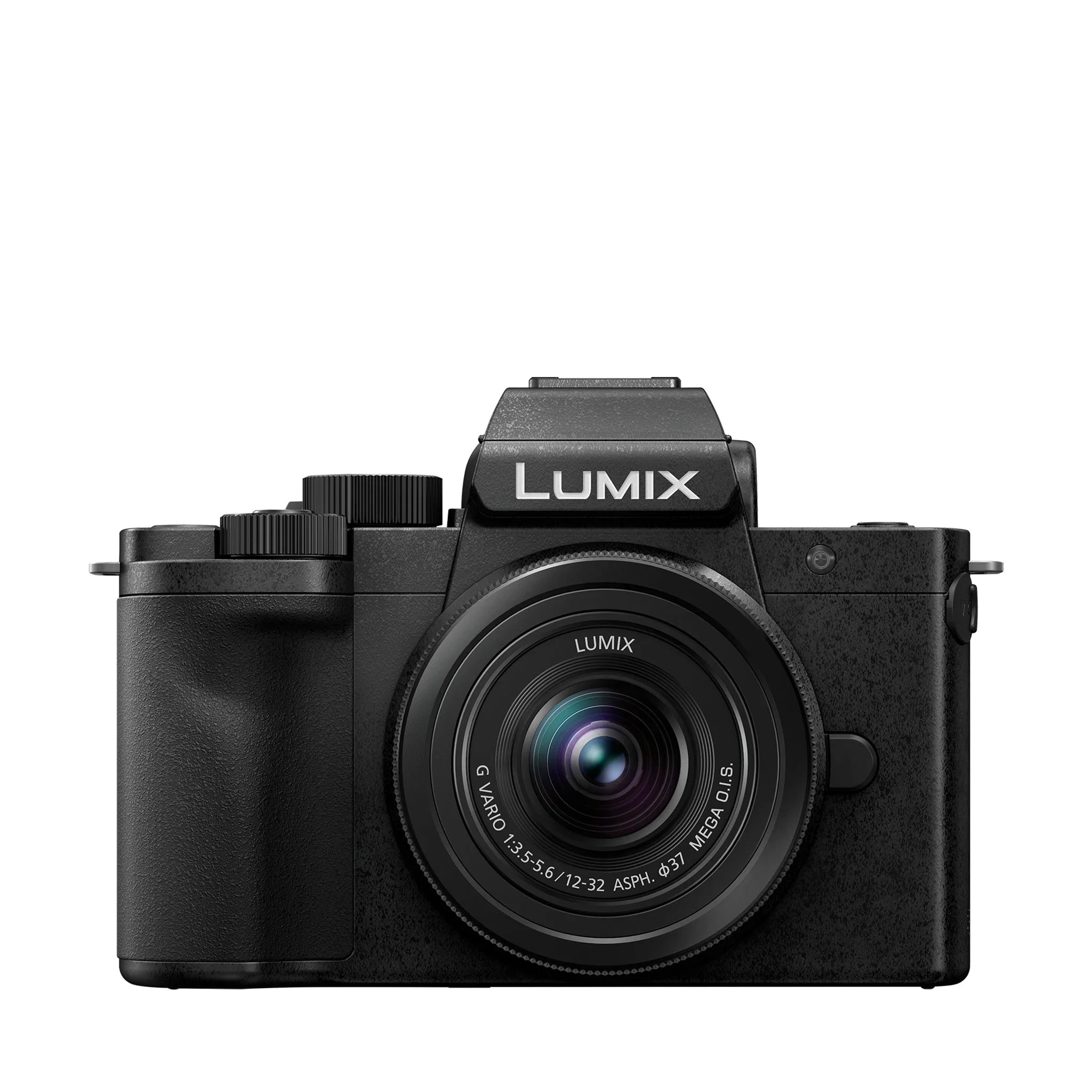
Panasonic Lumix G100D
20.3MP Live MOS · No IBIS · Not sealed
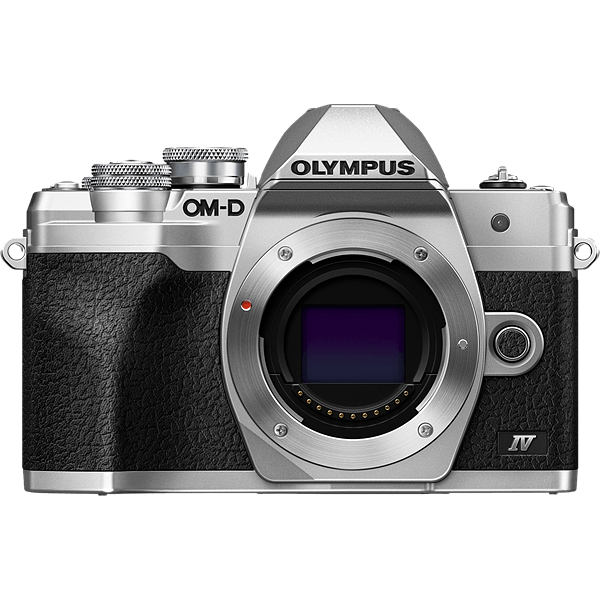
Olympus OM-D E-M10 Mark IV
20.3MP Live MOS · 4.5-stop IBIS · Not sealed
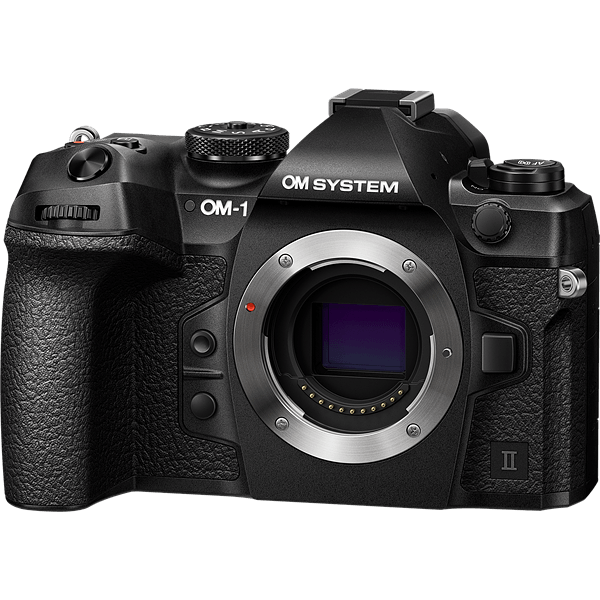
OM System OM-1 Mark II
20.4MP stacked BSI Live MOS · 8.5-stop IBIS · Weather sealed
Micro Four Thirds lenses for travel
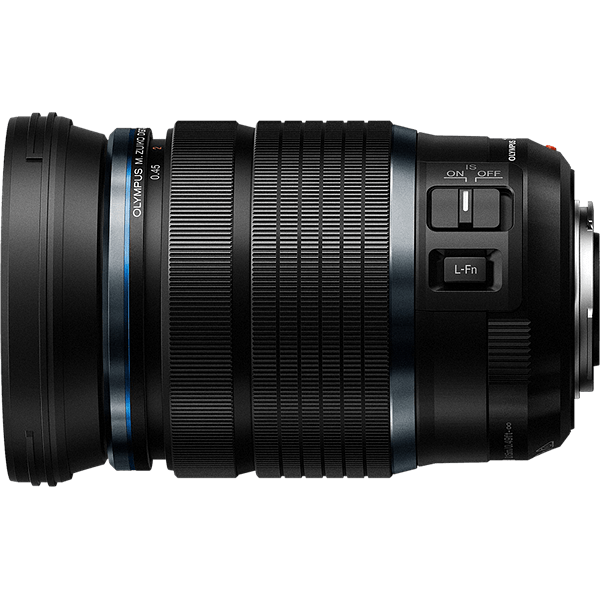
Olympus M.Zuiko Digital ED 12-100mm f/4 IS PRO
24–200mm equiv · 561g · OIS · Weather sealed
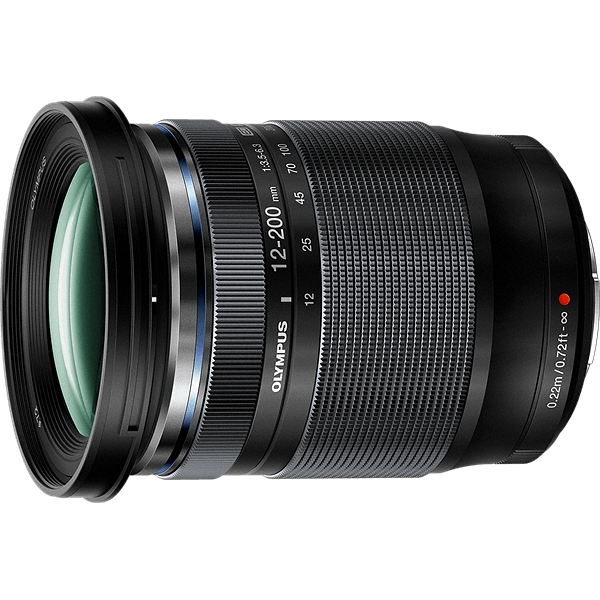
Olympus M.Zuiko ED 12-200mm f/3.5-6.3
24–400mm equiv · 455g · Weather sealed
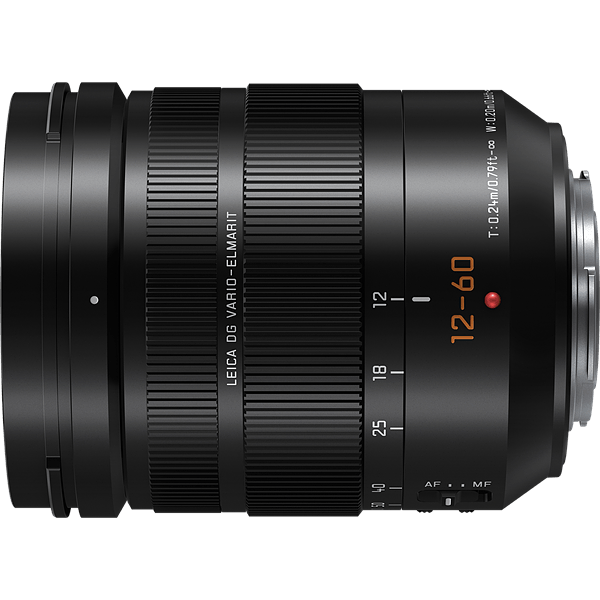
Leica DG Vario-Elmarit 12-60mm f/2.8-4
24–120mm equiv · 320g · OIS · Weather sealed
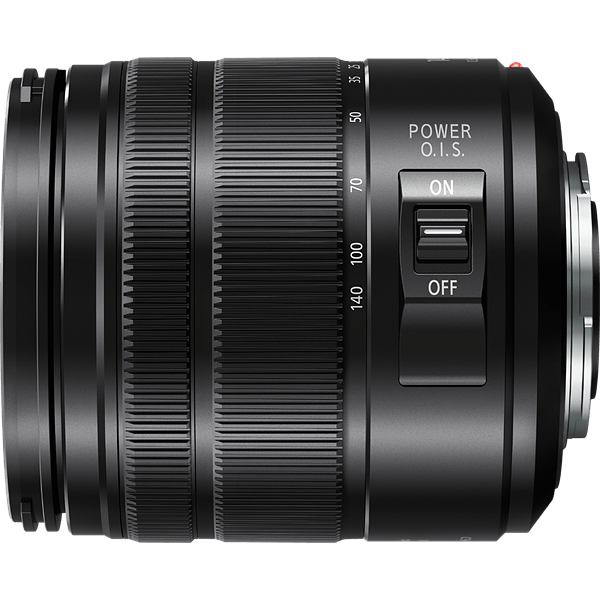
Panasonic Lumix G Vario 14-140mm f/3.5-5.6 II
28–280mm equiv · 265g · OIS
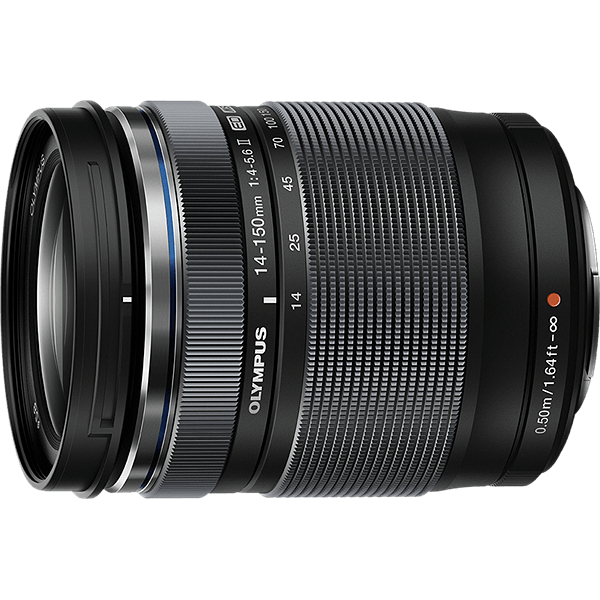
Olympus M.Zuiko Digital ED 14-150mm f/4-5.6 II
28–300mm equiv · 285g · Weather sealed