Micro Four Thirds for Street Photography
M43 is a strong street photography system because the bodies are small, the fast primes are affordable, and the system is discrete enough to use without drawing attention. The format's size advantage is most obvious when you compare it to a full-frame kit doing the same job.
Why M43 works for street photography
Street photography rewards discretion. A large camera with a prominent lens draws attention, changes the behaviour of people nearby, and makes it harder to capture natural moments. The M43 format's smaller sensor and correspondingly smaller bodies and lenses give you a kit that is genuinely unobtrusive in most situations.
The practical advantage is not just about how the camera looks. A smaller, lighter system means you are more likely to carry it consistently. A camera left at home because the bag is too heavy or the kit too conspicuous takes no photographs. M43 bodies with a 17mm or 25mm prime fit in a jacket pocket or a small shoulder bag, making all-day carry realistic in a way that a full-frame kit is not.
The image quality from current M43 sensors is sufficient for street photography in any realistic output context. At base ISO in daylight the files from a 20MP M43 sensor are indistinguishable from a larger format at the same output size. The limitation is high ISO performance in low light, which is a real trade-off but one that affects a minority of shooting situations.
The right focal length for street photography on M43
Street photographers typically work with one fixed focal length to develop a consistent visual language and to avoid the hesitation of zooming. On M43, the 2x crop factor means you need to think in full-frame equivalents to match the classic street focal lengths.
The classic street focal lengths on full frame are 28mm, 35mm, and 50mm. On M43, those translate to 14mm, 17mm, and 25mm respectively. A 17mm lens on M43 gives the slightly wide, natural perspective of a 35mm full-frame lens. A 25mm lens on M43 matches the 50mm standard view. Both are common, well-served focal lengths in the M43 prime lineup.
A wider option at 15mm (30mm equivalent) suits photographers who like to work close and include more environmental context. A 45mm prime (90mm equivalent) is less common for street photography but works well for compressed, candid shots from a greater distance. Most street photographers on M43 settle on either the 17mm or 25mm as their primary lens.
Aperture and exposure in mixed light
Street photography often involves rapidly changing light: bright sun, deep shade, indoor spaces, artificial light at night. A fast maximum aperture gives you more flexibility when the light drops, but in practice most street shooting happens at f/5.6 or f/8 in daylight with zone focus or wide depth of field. The fast aperture of an f/1.7 or f/1.8 prime matters most at dusk, in covered markets, and when shooting indoors.
IBIS helps in dim conditions by allowing slower shutter speeds without camera shake. All current OM System M43 bodies include IBIS. Most Panasonic M43 bodies above entry level also include body IBIS. For a stationary subject in low light, IBIS lets you drop to 1/30s or slower and still get a sharp frame. For moving subjects you still need a fast enough shutter to freeze motion, which means a higher ISO rather than a slower shutter.
Silent shutter and discrete shooting
The electronic shutter on most M43 bodies produces no sound at all. On OM System bodies, this is paired with a high-resolution sensor that allows silent shooting at up to 120 fps. In practice, a completely silent camera removes one of the main barriers to candid photography: the click of the shutter at close range that causes people to turn and look.
The trade-off with electronic shutter is rolling shutter distortion, where fast-moving subjects or panning shots can show warped lines. On most M43 bodies with standard sensors this is visible under specific conditions. OM System bodies with stacked BSI sensors have a significantly faster sensor readout that reduces rolling shutter, making the electronic shutter more reliable for fast action.
Prime lens options for M43 street photography
15mm (30mm equivalent)
The Lumix Leica DG Summilux 15mm f/1.7 is a compact, well-built lens with a fast aperture and a Leica-derived optical design. At 115g it is one of the lightest fast primes available for M43. The 30mm equivalent field of view is slightly wide for classic street use but works well for environmental portraits and scenes where you want to include more context around your subject.
17mm (34mm equivalent)
The Olympus 17mm f/1.8 is the most popular street photography lens in the M43 system. It is small, focuses quickly, and gives a slightly wide perspective that suits candid and environmental shooting. The manual focus clutch allows snap focus by pulling the focus ring to a preset distance. At 120g it does not change the balance or visibility of any M43 body. The Olympus 17mm f/1.2 PRO is a larger, heavier option with a faster aperture and better optical performance, suited to photographers who prioritise image quality over compactness.
20mm (40mm equivalent)
The Panasonic 20mm f/1.7 II is extremely compact at 87g and delivers sharp images at all apertures. The autofocus is slower than the Olympus 17mm and struggles with fast-moving subjects, but for street photography where you are often pre-focusing or shooting static subjects it is not a significant limitation. The 40mm equivalent field of view falls between 35mm and 50mm, which some photographers find ideal.
25mm (50mm equivalent)
The Olympus 25mm f/1.8 gives a natural, 50mm-equivalent perspective at a small size and a competitive price. It is the M43 equivalent of the classic reportage standard lens. Autofocus is fast and reliable. At 137g it is pocketable with most M43 bodies. Photographers who prefer a neutral perspective without the slight wideness of the 17mm typically gravitate to this focal length.
45mm (90mm equivalent)
The Olympus 45mm f/1.8 is a short telephoto that allows you to photograph people from a greater distance while maintaining a tighter frame. The 90mm equivalent field of view compresses the scene slightly and is well suited to candid portraits where you want to maintain distance from your subject. It is also the lightest fast prime in the M43 system at 116g.
Who M43 suits for street photography
- Photographers who want a capable, discreet kit that fits in a small bag or jacket pocket
- Shooters coming from a larger system who find the size and weight tiring on long shooting days
- Anyone who wants a wide choice of affordable fast primes at the classic street focal lengths
- Photographers who value silent electronic shutter for candid shooting in quiet environments
Micro Four Thirds cameras for street photography
Street photography asks different things of a camera than most other genres. You are not chasing fast-moving subjects or needing long reach. What you need is a body that is small enough to carry all day without fatigue, discrete enough not to draw attention, fast enough to focus on a stationary or slow-moving subject in an instant, and capable enough in mixed light to give you usable files at the end of the day.
The OM System OM-3 is the strongest current option for street use. At 414g with a compact body, it is weather sealed, has 20.4MP stacked BSI performance, and includes the OM System IBIS implementation that holds steady down to very slow shutter speeds. The stacked sensor also means faster electronic shutter readout, which reduces rolling shutter when shooting silently. The OM-D E-M10 Mark IV is lighter still at 383g and not weather sealed, but its smaller size makes it the most pocketable serious M43 body.
The OM-5 II sits between the two in size and adds full weather sealing, making it suitable for shooting in light rain without hesitation. The Panasonic GX9 is a rangefinder-style body that appeals to photographers who prefer a low-profile flat design over the traditional DSLR shape. The G100D is the smallest M43 body currently available and suited to photographers who want the absolute minimum footprint.
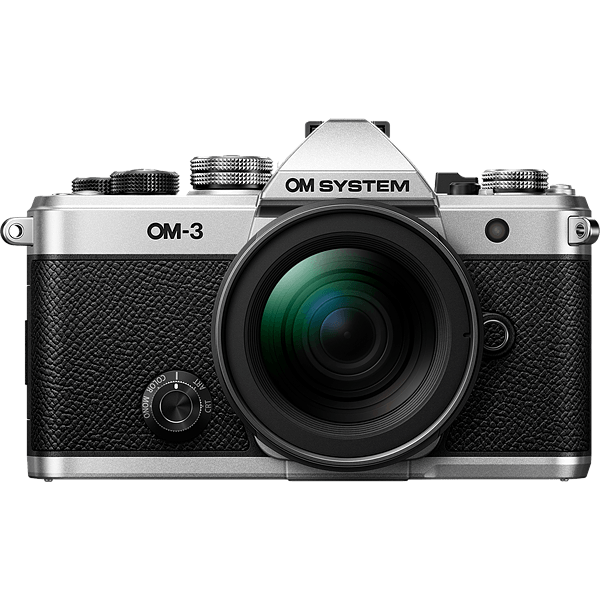
OM System OM-3
20.4MP stacked BSI Live MOS · 7-stop IBIS · Weather sealed
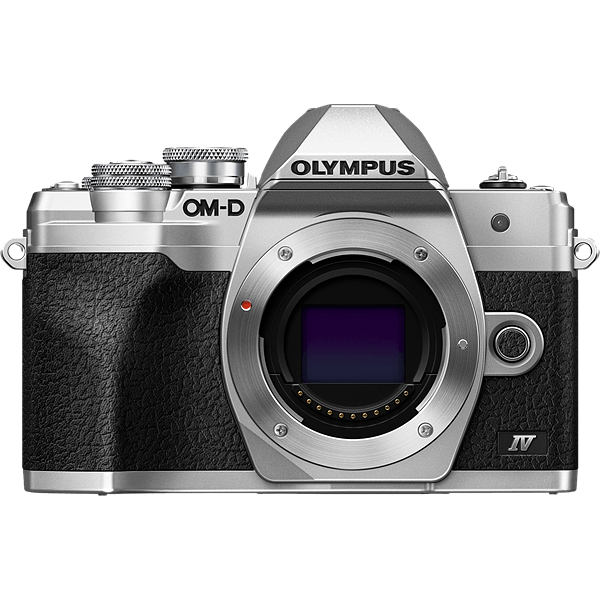
Olympus OM-D E-M10 Mark IV
20.3MP Live MOS · 4.5-stop IBIS · Not sealed
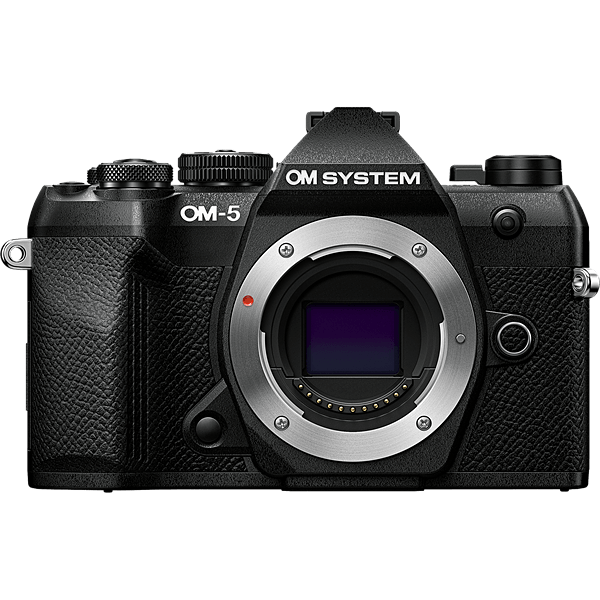
OM System OM-5 II
20.4MP Live MOS · 7-stop IBIS · Weather sealed
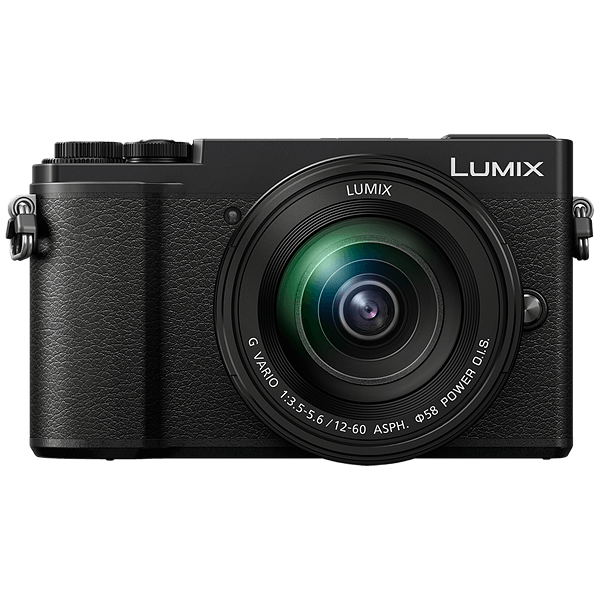
Panasonic Lumix GX9
20.3MP Live MOS · 4-stop IBIS · Not sealed
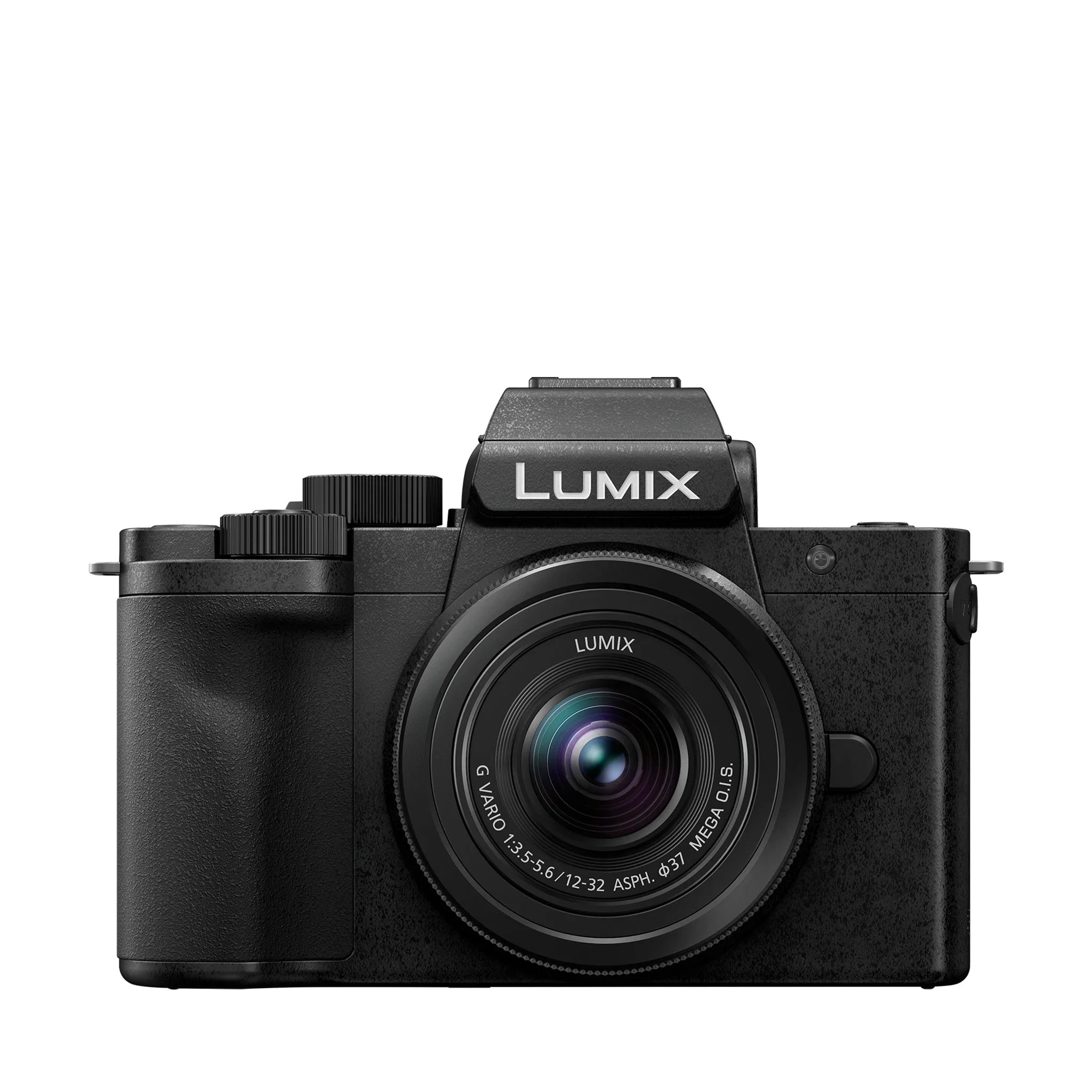
Panasonic Lumix G100D
20.3MP Live MOS · No IBIS · Not sealed
Micro Four Thirds prime lenses for street photography
Street photography on M43 is almost entirely about primes. A zoom changes the way you work: you adjust the focal length instead of your position, which tends to produce more passive images. A single fixed focal length forces you to commit to a perspective and move your feet, which is how most street photographers prefer to work.
The M43 prime lineup at street focal lengths is one of the format's genuine strengths. There are well-regarded options at 15mm, 17mm, 20mm, 25mm, and 45mm, all from f/1.8 or faster, and all compact enough that they do not change the low-profile nature of a small M43 body.
The 17mm f/1.8 is the most popular choice. The 34mm equivalent field of view is slightly wide, which gives context around your subject while keeping the perspective natural. The manual focus clutch is genuinely useful for zone focusing, which is the technique of pre-setting focus to a specific distance and using a small aperture for enough depth of field that anything in a certain range is sharp. This approach eliminates autofocus latency entirely.
The 25mm gives a more neutral 50mm equivalent view. The 15mm f/1.7 Leica is the most compact fast option and suits photographers who want to work close. The 45mm f/1.8 is the lightest lens in the lineup and works for photographers who prefer distance between themselves and their subject.
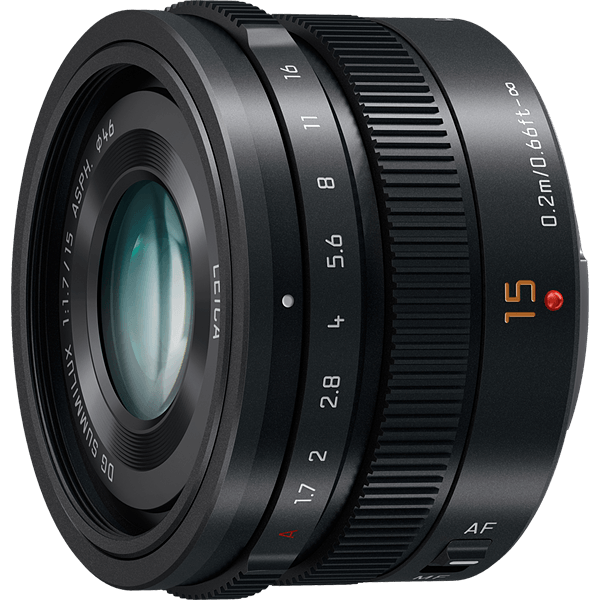
Lumix Leica DG Summilux 15mm f/1.7 ASPH
30mm equiv · 115g
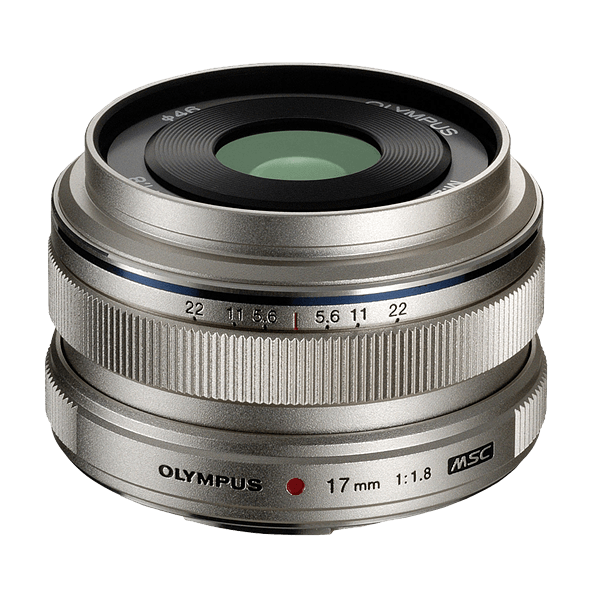
Olympus M.Zuiko Digital 17mm f/1.8
34mm equiv · 120g
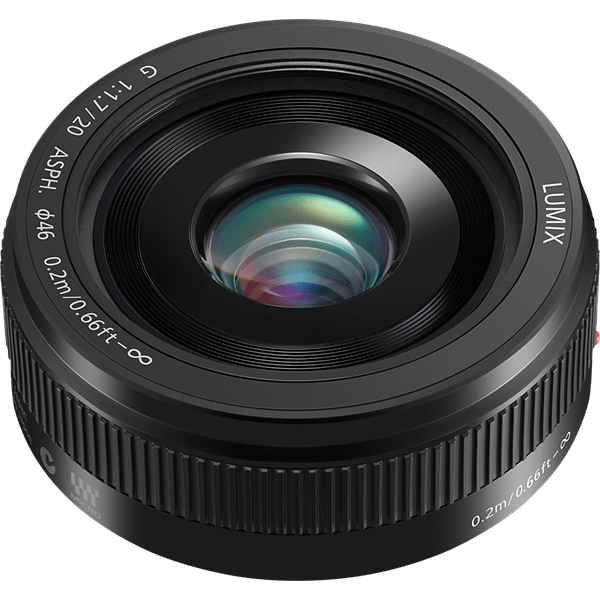
Panasonic Lumix G 20mm f/1.7 II ASPH
40mm equiv · 87g
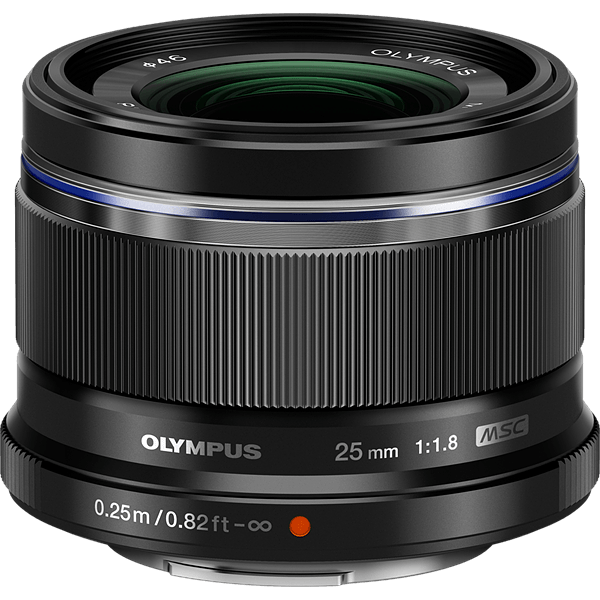
Olympus M.Zuiko Digital 25mm f/1.8
50mm equiv · 137g
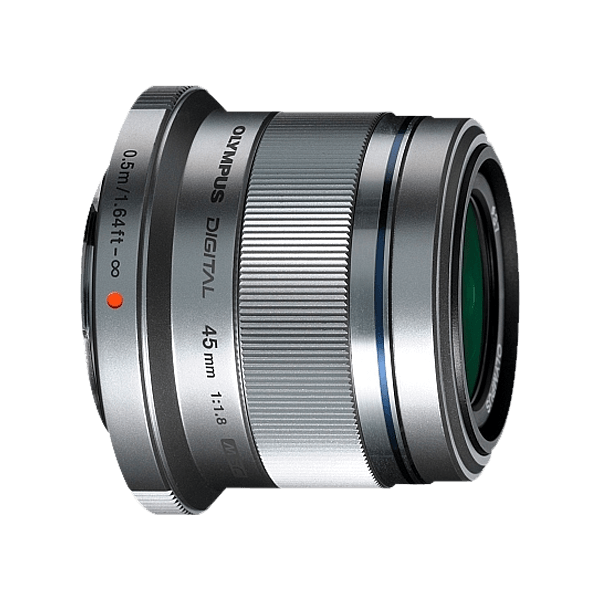
Olympus M.Zuiko Digital 45mm f/1.8
90mm equiv · 116g