Micro Four Thirds for Astrophotography

Micro Four Thirds is often dismissed for night photography because of its smaller sensor. The truth is more interesting. M43 collects less light per frame than full frame, but the system has fast wide lenses, strong stabilisation, and OM System computational features built specifically for the night sky. With the right technique it produces excellent Milky Way images.
Is Micro Four Thirds good for astrophotography?
Astrophotography is the one genre where M43's smaller sensor is a real disadvantage. A full-frame sensor has four times the surface area, so it gathers about two stops more light in the same exposure. Under a dark sky that means a cleaner single frame with less visible noise. There is no way around the physics of sensor area.
But the gap is smaller than the internet makes it sound, and M43 has real answers to it. The system has some of the fastest, sharpest wide-angle lenses available at any price. Its in-body stabilisation lets you shoot the foreground handheld. And OM System bodies include computational tools - Starry Sky AF, Live Composite, and high-resolution modes - that are built specifically for night work and that no full-frame body matches. For Milky Way landscapes, star trails, and constellation shots, M43 is genuinely capable. For deep-sky imaging of faint galaxies and nebulae through a telescope, full frame or a dedicated astro camera will pull ahead.
The exposure problem, and how to beat it
Three things fight you at night: not enough light, sensor noise, and the rotation of the Earth smearing stars into streaks. You cannot simply use a longer shutter speed to fix the light problem, because beyond a certain point the stars trail.
How long you can expose before trailing depends on your focal length and, on high-resolution M43 sensors, your pixel size. The old 500 rule (500 divided by the full-frame equivalent focal length) is too loose for modern 20MP and 25MP M43 bodies - it lets stars drift far enough to streak when you zoom in. Use the Astro Exposure Calculator instead. It applies the NPF rule with your camera's real pixel pitch and gives a shutter speed that keeps stars as tight points.
From there, the recipe under a moonless, dark sky is straightforward: open the lens to its widest aperture, set the shutter to the NPF time from the calculator, and start at ISO 1600 to 3200. Check the histogram, raise ISO if the scene is too dark, and take several frames so you can stack them later. Stacking multiple exposures in software is the single most effective way to overcome M43's noise without buying a star tracker, because it averages out random noise while keeping the real signal from the stars.
OM System features built for the night sky
This is where M43 stops being the compromise choice and starts being a genuinely smart one. OM System and Olympus bodies include three features that directly target astrophotography.
Starry Sky AF automatically focuses on the stars. Manual focusing on a point of light in the dark is the step most beginners get wrong, and a slightly soft focus ruins every frame of the night. Starry Sky AF removes that risk entirely. Live Composite builds an image in real time, only adding new light to the frame as it appears, which is perfect for star trails and light painting without blowing out the sky. High Res Shot modes combine multiple sensor-shifted frames into an 50 to 80MP image with lower noise, useful for static night scenes on a tripod.
Panasonic bodies have Live Composite too, but they lack Starry Sky AF, so you focus manually on the stars instead. They remain perfectly usable for astro with manual focus and either long exposures or external stacking. If you want focusing on the stars handled for you, Starry Sky AF is a strong reason to favour an OM System or Olympus body.
The OM-3 Astro: a camera built for the night sky
In 2026 OM System did something no other current manufacturer has done at this level: it released a mirrorless body built specifically for astrophotography. The OM-3 Astro takes the standard OM-3 and fits a modified infrared-cut filter that passes hydrogen-alpha light at 656nm - the deep-red wavelength emitted by nebulae that ordinary camera filters block by around 75 percent. The result is that red nebulae render vividly straight out of camera, without sending a body off for a third-party astro conversion.
Beyond the filter, it adds dedicated astro custom modes, night-sky colour profiles, and a night vision mode, while keeping everything that makes the OM-3 good for night work: Starry Sky AF, Live Composite, the 20.4MP stacked sensor, and weather sealing. The one trade-off is that the modified filter gives a reddish-pink colour cast in normal daylight shooting, so it suits photographers for whom the night sky is the priority rather than a do-everything body. If astrophotography is the main reason you are reading this guide, the OM-3 Astro is the most direct answer in the system.
What to look for in an astro camera
- Good high-ISO performance. The newer 20MP stacked BSI sensors in the OM-1 line and the 25MP sensors in the G9 II and GH7 handle noise better than older 16MP and 20MP chips.
- Starry Sky AF and Live Composite if you want the night sky made easy - OM System and Olympus only.
- Strong IBIS so you can shoot the foreground of a nightscape handheld at slower speeds without a second tripod position.
- A fully articulating or tilting screen so you can compose when the camera is pointed up at the sky.
- Weather sealing for cold, damp nights where condensation forms on gear.
What to look for in an astro lens
Lens choice matters more than the body for Milky Way work. You want two things: a wide field of view to fit the sky and landscape together, and a wide maximum aperture to collect as much light as possible. A fast wide prime at f/1.7 to f/2.8 is the ideal astro lens, and M43 has an unusually strong selection of them, including specialist manual-focus options that are sharp into the corners wide open.
Remember that M43 focal lengths are half their full-frame equivalent. A 12mm lens frames like a 24mm on full frame - a classic Milky Way focal length. A 7.5mm frames like 15mm, wide enough for the full arch of the galaxy. Coma, where bright stars in the corners smear into little comet shapes, is the optical flaw that separates a good astro lens from an average one, and the lenses below are chosen partly for how well they control it.
Micro Four Thirds cameras for astrophotography
For astrophotography the body's job is to keep noise low and make focusing in the dark painless. Two things separate the best M43 astro bodies from the rest: a newer sensor with cleaner high-ISO performance, and the OM System computational features built for the night sky.
The OM-3 Astro is the most specialised choice. It fits a modified IR-cut filter that passes hydrogen-alpha light, so red nebulae render vividly straight out of camera, and it keeps the full OM-3 night toolkit. The trade-off is a reddish cast in daylight, so it suits photographers focused on the night sky. The OM-1 Mark II and OM-1 lead among the general-purpose bodies, thanks to their stacked 20MP BSI sensor, strong high-ISO performance, Starry Sky AF, Live Composite, and high-resolution modes. Both are weather sealed for cold, damp nights. The standard OM-3 brings the same sensor and night features in a lighter, more compact body without the modified filter.
The Panasonic G9 II uses a 25MP sensor with strong detail and good high-ISO behaviour, and works well with manual focus and external stacking. It has Live Composite but not Starry Sky AF, so you focus on the stars manually. There is also an E-M1 Mark III Astro, which applies the same hydrogen-alpha filter modification as the OM-3 Astro to the older E-M1 Mark III body and ships with light pollution and soft filters, for photographers who want a dedicated modified body on the earlier platform.
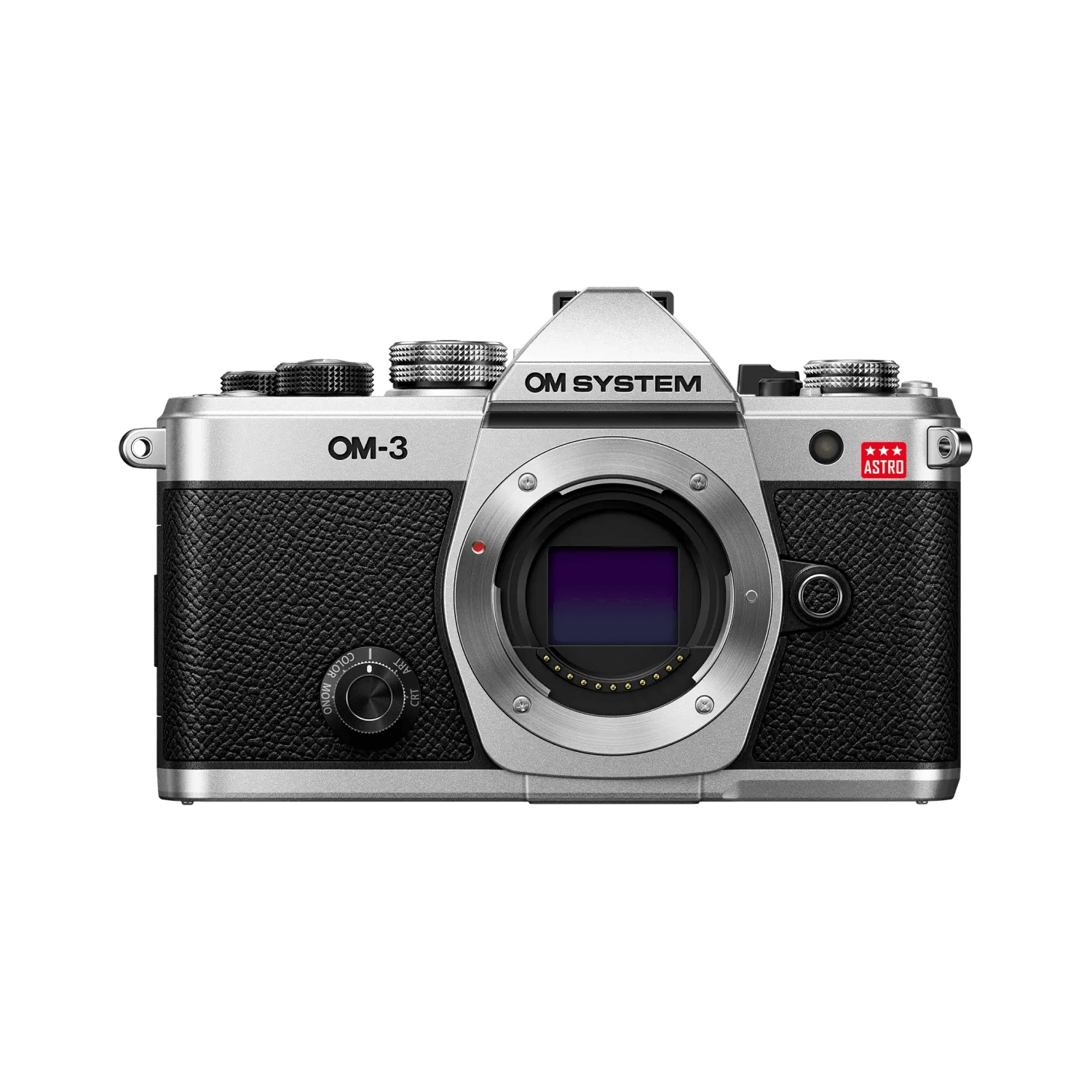
OM System OM-3 Astro
20.4MP stacked BSI Live MOS (UV/IR optimized) · 7-stop IBIS · Weather sealed
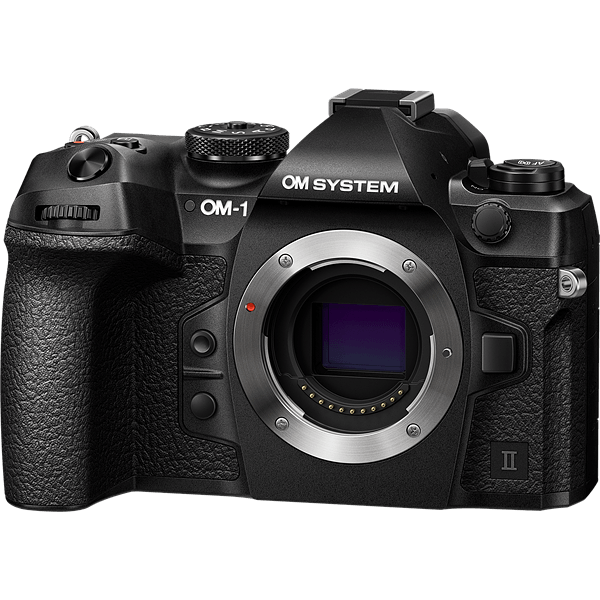
OM System OM-1 Mark II
20.4MP stacked BSI Live MOS · 8.5-stop IBIS · Weather sealed
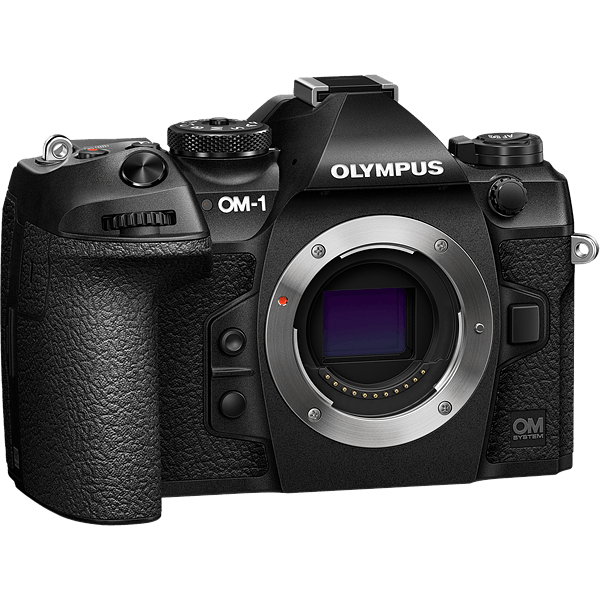
OM System OM-1
20.4MP stacked BSI Live MOS · 8-stop IBIS · Weather sealed
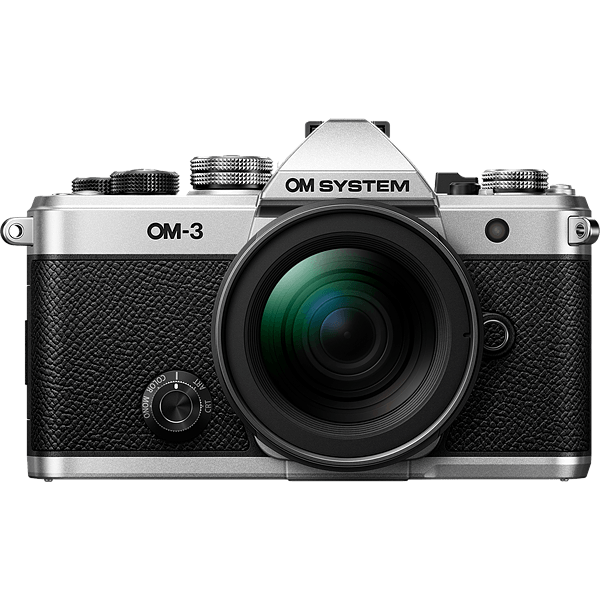
OM System OM-3
20.4MP stacked BSI Live MOS · 7-stop IBIS · Weather sealed
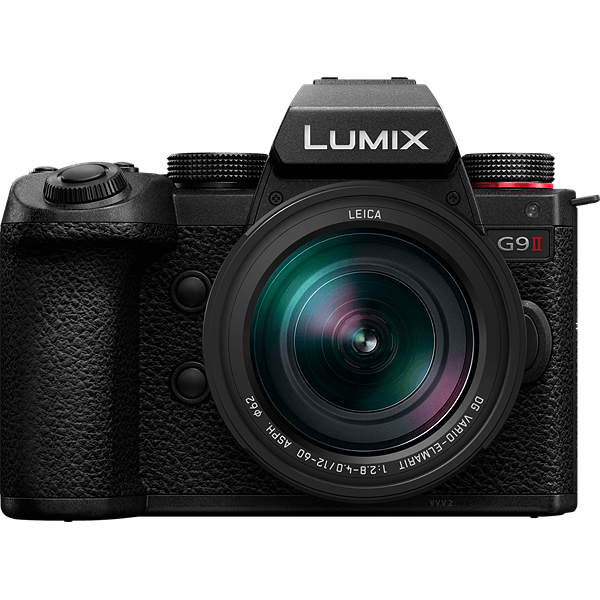
Panasonic Lumix G9 II
25.2MP Live MOS · 7.5-stop IBIS · Weather sealed
Micro Four Thirds lenses for astrophotography
Lens choice matters more than the body for Milky Way work. You want a wide field of view and the widest possible aperture, and ideally good control of coma so corner stars stay as points rather than smearing into comet shapes. M43 has an unusually strong selection of fast wide lenses for exactly this.
The Laowa 7.5mm f/2 is a long-time favourite for M43 astro: tiny, light, very sharp, and wide enough at a 15mm full-frame equivalent to capture the whole arch of the Milky Way. It is manual focus, which is no obstacle for night work where you focus on infinity anyway. The Panasonic Leica 9mm f/1.7 adds autofocus and a fast aperture in a compact package, framing like an 18mm equivalent.
The Panasonic Leica 12mm f/1.4 is the premium choice: an exceptionally fast f/1.4 aperture at a 24mm equivalent, the classic Milky Way focal length, with excellent coma control. The Olympus 12mm f/2 is a smaller, more affordable take on the same focal length. The Olympus 8mm f/1.8 Fisheye is the widest fast option, useful when you want the entire sky and a dramatic curved horizon in a single frame.
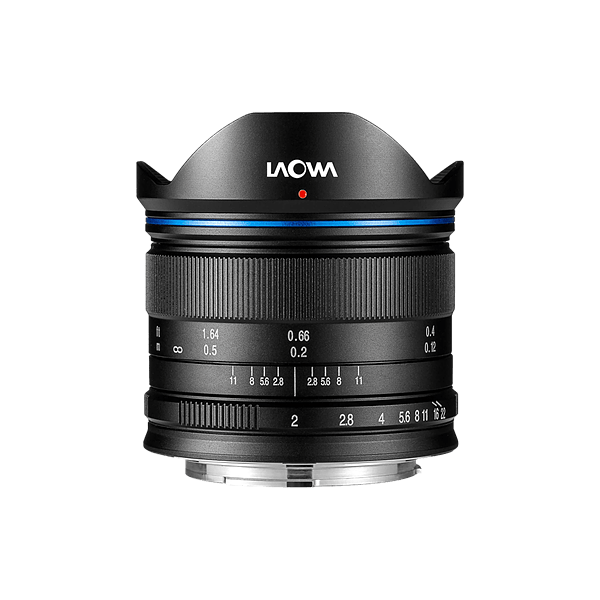
Laowa 7.5mm f/2 MFT
15mm equiv · 100g
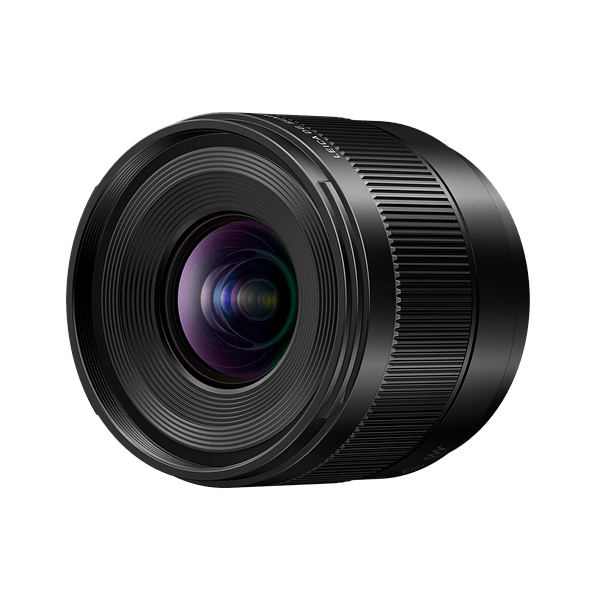
Leica Summilux 9mm f/1.7 ASPH
18mm equiv · 130g · Weather sealed
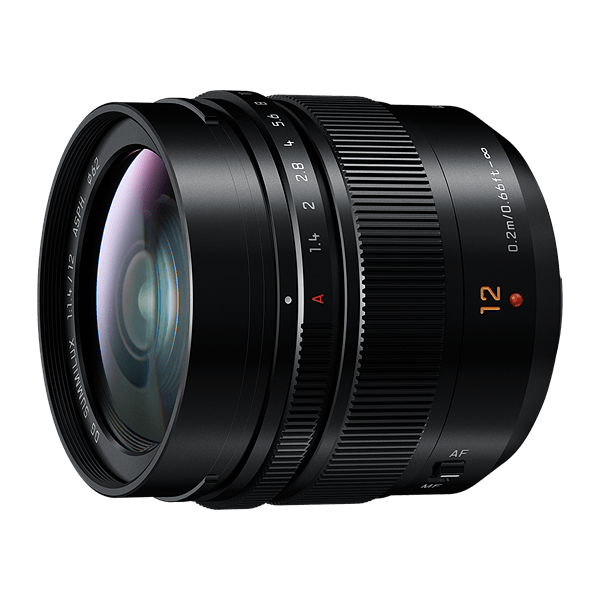
Panasonic Leica DG Summilux 12mm f/1.4
24mm equiv · 350g · Weather sealed
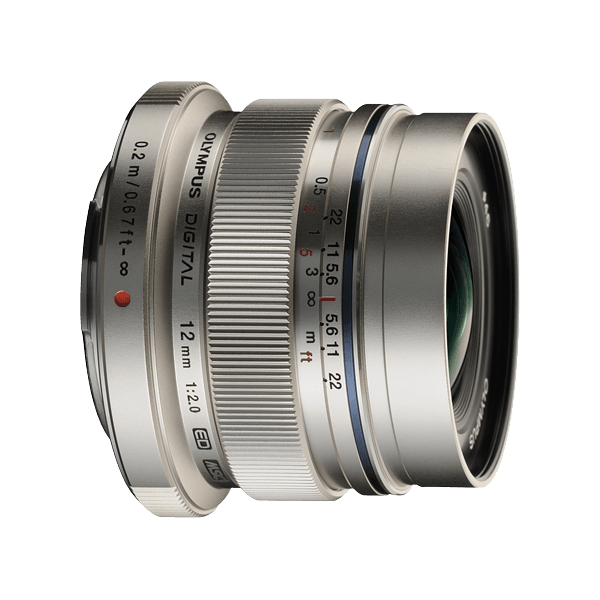
Olympus M.Zuiko Digital ED 12mm f/2
24mm equiv · 130g
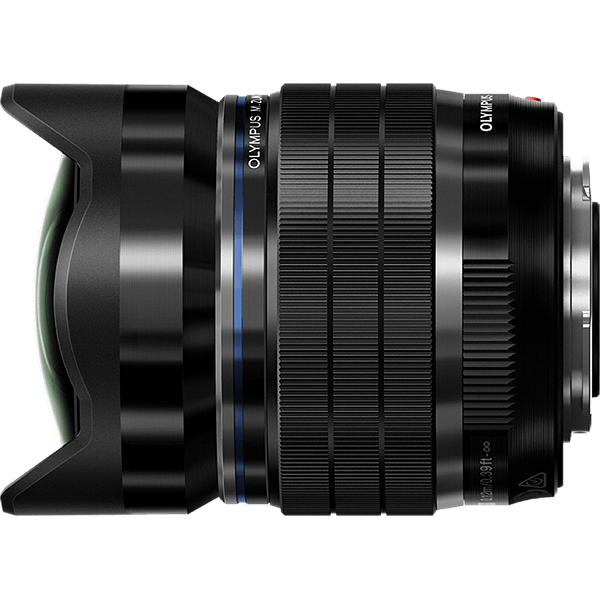
Olympus M.Zuiko ED 8mm f/1.8 Fisheye PRO
16mm equiv · 315g · Weather sealed