The 7 Best Micro Four Thirds Cameras, Ranked
These are the strongest Micro Four Thirds cameras you can buy, ranked by overall capability, autofocus, stabilisation, video, and value. The system is in a strong place: the flagship OM System and Panasonic bodies trade blows on stills and video, while the mid-range and entry models give most of the experience for far less. This ranking weighs how good each camera is for the money and how well it suits the type of shooter it targets, drawing on the consensus of long-term reviews rather than spec sheets alone.
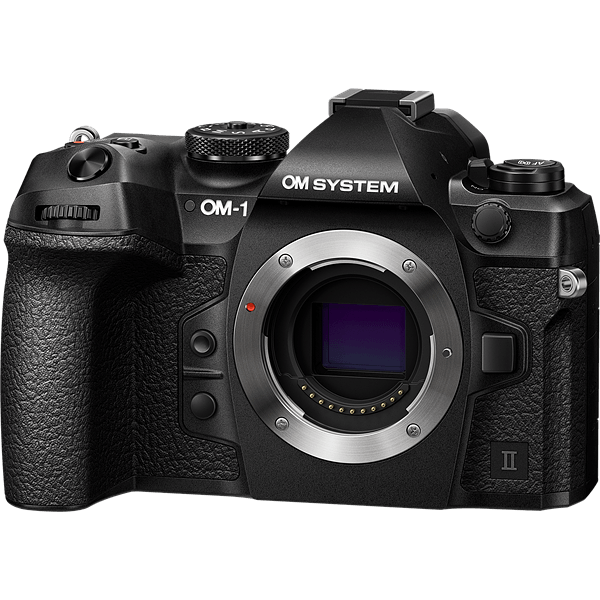
OM System OM-1 Mark II
The all-round flagship and the best stills-focused M43 camera. A 20MP stacked sensor with the fastest readout in the system, class-leading 8.5-stop IBIS, the best subject-recognition autofocus for birds and wildlife, and IP53 weather sealing. If you want the single most capable M43 body for stills, this is it.
- Best-in-system 8.5-stop IBIS
- Stacked sensor with superb subject-detect AF
- IP53 weather sealing
- 20MP trails Panasonic on resolution
- Most expensive here at $2,199
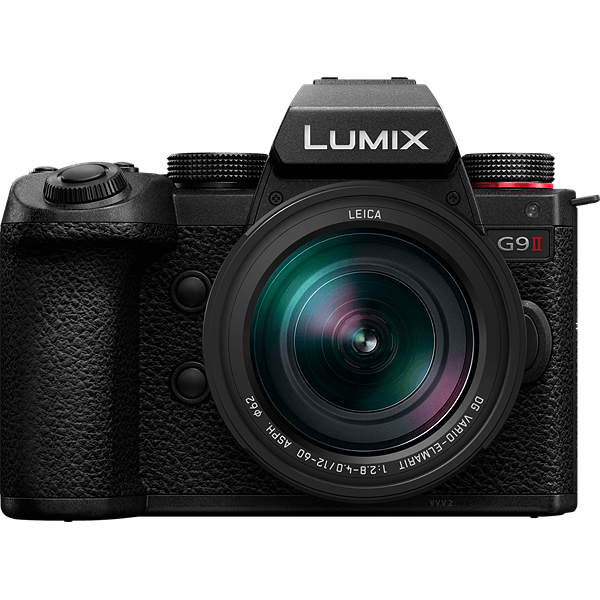
Panasonic Lumix G9 II
The best hybrid value at the top end. A 25MP sensor with more resolution than the OM bodies, Panasonic’s first phase-detect AF, strong video, and Dual IS 2. It matches the OM-1 line on most things for less money, which is why many consider it the smartest flagship buy.
- 25MP, highest stills resolution here
- Phase-detect AF with subject recognition
- Excellent value at $1,797
- Not a stacked sensor, slower readout
- Larger than the OM bodies
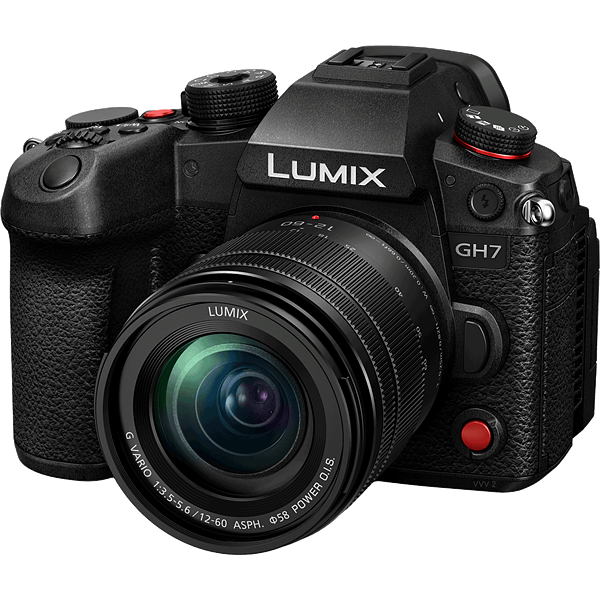
Panasonic Lumix GH7
The video flagship of the system. Internal ProRes and ProRes RAW, V-Log, 32-bit float audio with the optional unit, and the same phase-detect AF and 25MP sensor as the G9 II. The clear choice if video is your priority over stills.
- Internal ProRes and ProRes RAW
- V-Log with strong dynamic range
- 32-bit float audio support
- Overkill and pricey for stills-only use
- Heaviest body here at 675g
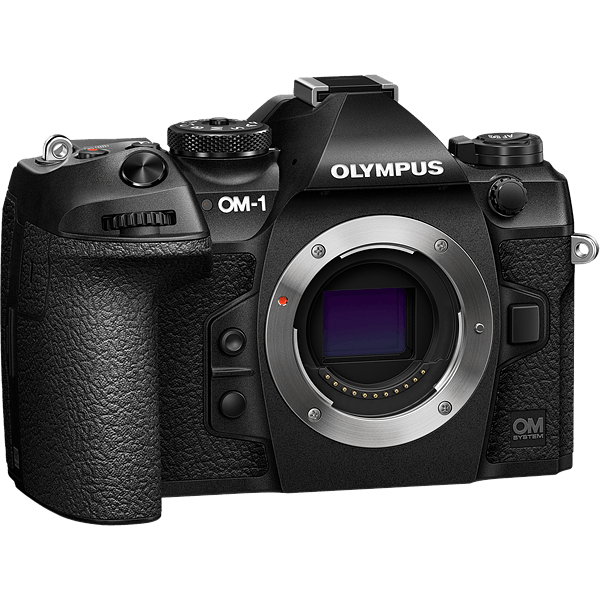
OM System OM-1
The first-generation OM-1 shares the same stacked sensor and most of the capability of the Mark II at a lower price. For stills shooters the gap to the Mark II is small, making it one of the best-value flagships in the system.
- Same stacked sensor as the Mark II
- Strong subject-detect AF and 8-stop IBIS
- Cheaper than the Mark II
- Older menus and buffer than the Mark II
- Superseded, so stock is thinning
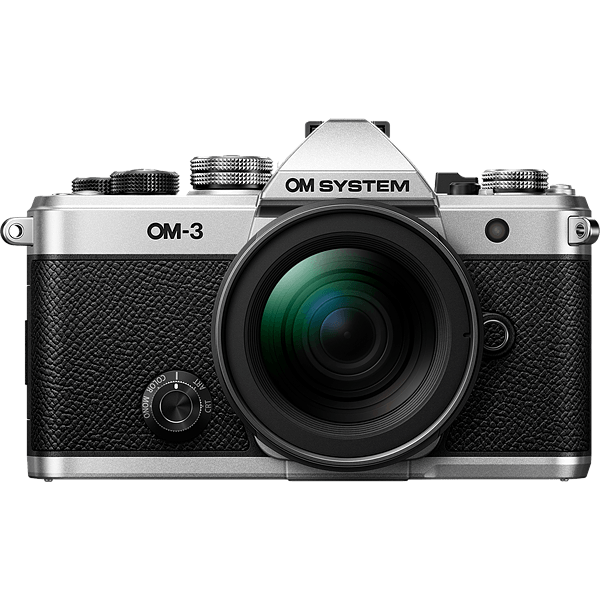
OM System OM-3
The OM-1 sensor and feature set in a smaller retro-styled body. Weather sealed, the same stacked sensor and subject recognition, just lighter and with classic dial-led handling. A flagship-grade sensor for photographers who want a more compact, stylish camera.
- Flagship stacked sensor in a compact body
- Retro dial-led handling
- Weather sealed
- No grip, less comfortable with big lenses
- Pricey at $1,499 for the size
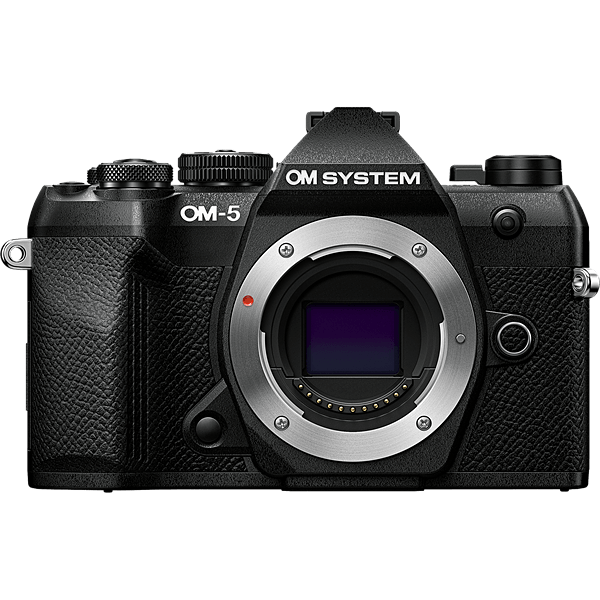
OM System OM-5 II
The best compact weather-sealed travel body. Small and fully sealed, with phase-detect AF and strong IBIS, it is the camera to carry when size and weather resistance matter more than the flagship sensor. A practical adventure companion.
- Tiny and fully weather sealed at 370g
- Phase-detect AF and strong IBIS
- Ideal travel and hiking body
- Older non-stacked sensor
- Minor update over the original OM-5
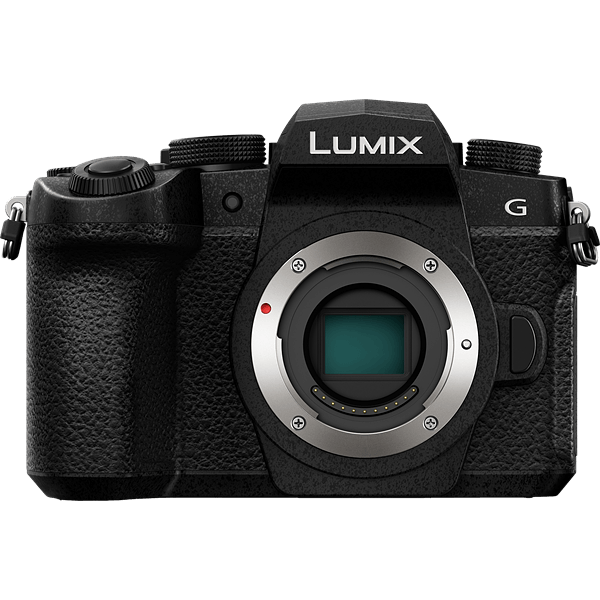
Panasonic Lumix G97
The value entry into sealed M43. A weather-sealed mid-range body with 5-axis IBIS at around $799, it gives a lot of the system’s strengths for the price. The compromise is contrast-detect AF rather than phase detection.
- Weather sealed and affordable at $799
- 5-axis IBIS
- Good entry into the system
- Contrast-detect AF, weaker tracking
- No 4K 60p
Frequently Asked Questions
Which is the best Micro Four Thirds camera for beginners?
For beginners entering the Micro Four Thirds system, the OM System OM-5 or Panasonic G97 are strong starting points. Both include IBIS and weather sealing at accessible prices, and both give access to the full M43 lens ecosystem. The OM-5 adds phase-detection AF; the G97 has a lower street price. The G100D is worth considering for vlogging-focused beginners who prioritise a flip screen and directional microphone over weather sealing.
Is Micro Four Thirds still worth buying in 2025?
Yes, for specific use cases. The M43 system's 2x crop factor gives a genuine telephoto reach advantage — a 300mm lens delivers 600mm full-frame equivalent reach in a hand-holdable package. Current OM System bodies with phase-detection AF and 8.5-stop IBIS are competitive for wildlife and birds. The system is less compelling for portraits and low-light work where larger sensors produce shallower depth of field and lower noise at high ISO. If telephoto reach, system compactness, and lens ecosystem depth are priorities, M43 remains a strong choice.
How does Micro Four Thirds compare to APS-C mirrorless?
Micro Four Thirds cameras are generally smaller and lighter than APS-C mirrorless systems, and the M43 lens ecosystem is more mature with a wider range of native telephoto options. APS-C systems offer a larger sensor, which gives an advantage in low-light and high-ISO performance and produces shallower depth of field at equivalent apertures. For wildlife and telephoto reach, M43 competes strongly due to its 2x crop factor. For portraits and indoor work where depth of field and noise matter most, APS-C is typically the better choice.