The 5 Best Micro Four Thirds Cameras to Start With, Ranked
The best camera to start with is not always the cheapest; it is the one that is easy to learn on, light enough to carry, and good enough that you will not outgrow it in a year. The current Micro Four Thirds entry market is small, so this list ranks current bodies by how friendly they are for a first serious camera, noting which are true budget picks and which are pricier cameras you can grow into. All have helpful automatic modes alongside full manual control.
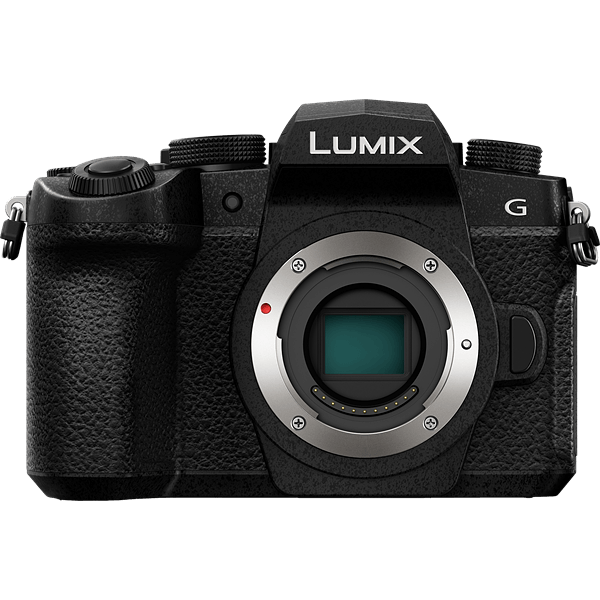
Panasonic Lumix G97
The best value first serious camera. Weather sealed with 5-axis IBIS for around $799, it gives a lot of the system for the money and has the simple, friendly Panasonic interface. The most sensible true-budget starting point.
- Affordable at $799
- Weather sealed with 5-axis IBIS
- Beginner-friendly menus
- Contrast-detect AF
- No 4K 60p
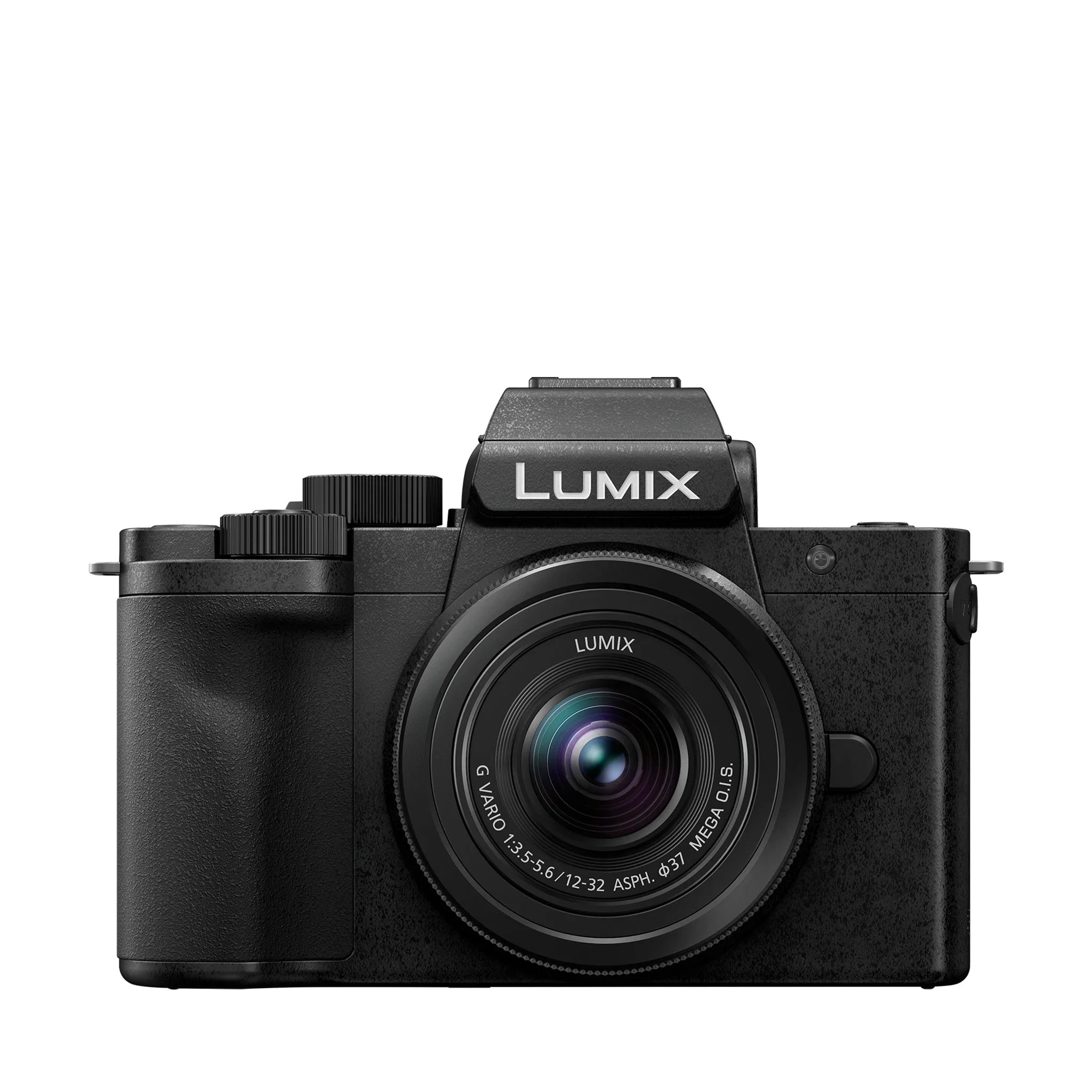
Panasonic Lumix G100D
The lightest and cheapest way in, aimed at vloggers and casual shooters. At 333g and around $748 it is tiny and simple, with good built-in audio. The trade-off is no in-body stabilisation, so it leans on stabilised lenses.
- Cheapest and lightest at 333g
- Great for vlogging and travel
- Simple to learn
- No in-body stabilisation
- Smaller battery
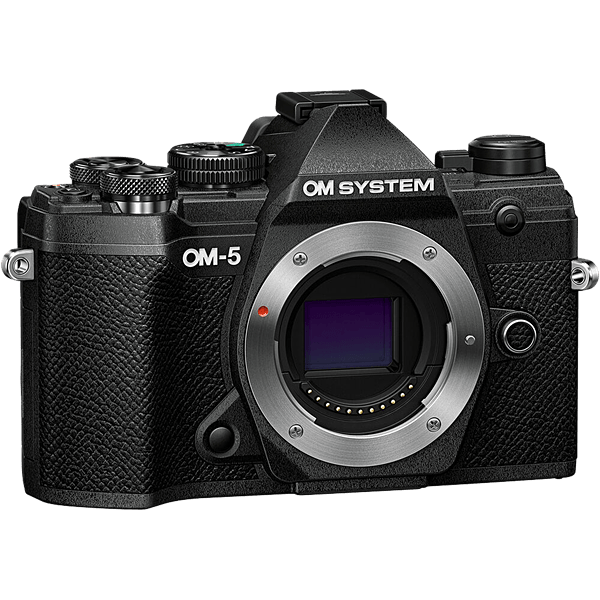
OM System OM-5
A step up you can grow into. Compact, fully weather sealed, with strong IBIS and the OM computational features like Live Composite and Starry Sky AF. Pricier at around $1,199, but a camera you will keep well past the beginner stage.
- Strong IBIS and weather sealing
- Computational features to grow into
- Compact at 366g
- Pricey for a first camera
- Contrast-detect AF
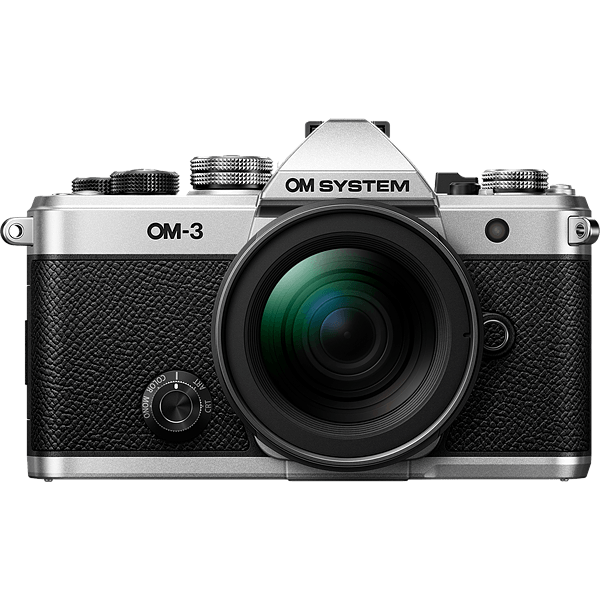
OM System OM-3
The premium grow-into-it pick. A flagship stacked sensor and phase-detect AF in a retro body, weather sealed. Far more camera than a beginner needs at around $1,499, but it will never be the thing holding you back as you improve.
- Flagship sensor and phase-detect AF
- Retro dial-led handling
- Weather sealed
- Expensive for a beginner
- No grip for big lenses
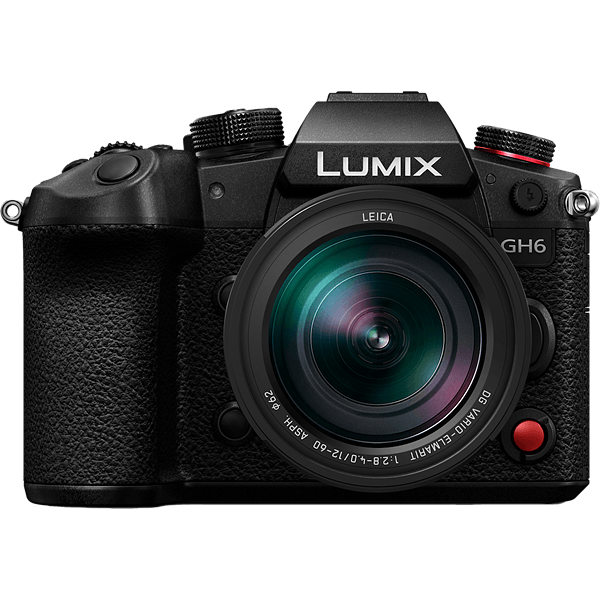
Panasonic Lumix GH6
For a beginner who knows they want video. 25MP, 7.5-stop IBIS, and a deep video toolkit including internal recording options. Overkill for stills-first beginners and heavy at 739g, but a strong base if filmmaking is the goal.
- Serious video features to grow into
- 7.5-stop IBIS
- High-resolution 25MP sensor
- Heavy and complex for a beginner
- Contrast-detect AF
Frequently Asked Questions
Is Micro Four Thirds good for beginner photographers?
Yes. Micro Four Thirds is a practical system for beginners because the bodies are compact and relatively light, the lens selection is broad enough to grow into over years, and entry-level bodies include useful features like IBIS that help beginners get sharp shots without mastering every manual technique first. The main trade-off compared to APS-C systems at similar prices is smaller sensor area, which affects high-ISO noise and depth-of-field control. For general photography, travel, wildlife, and video, the system is well-suited to beginners.
What lenses should a beginner buy for a Micro Four Thirds system?
Most M43 cameras come with a kit zoom, typically a 12-60mm or 14-42mm, which covers everyday focal lengths. The most commonly recommended first prime for beginners is the Olympus M.Zuiko 45mm f/1.8 at $299 — it gives a 90mm portrait-length field of view at f/1.8 and is sharp wide open. For beginners interested in wildlife or travel reach, the Panasonic 100-300mm f/4-5.6 or Olympus 75-300mm are affordable telephoto zooms to consider. Buy lenses for the subjects you actually shoot rather than building a full kit at once.
How much should a beginner spend on a Micro Four Thirds camera?
For most beginners, spending $700-$1,200 on the camera body and reserving $200-$400 for a first prime lens is a practical starting point. The Panasonic G97 at $799 and OM System OM-5 at $1,199 are strong starting bodies. Spending more than $1,500 on a body before understanding what you actually shoot is generally not the best use of the budget — the lens matters more than the body for image quality in most situations.