Best Micro Four Thirds Cameras for Astrophotography
Astrophotography is the one genre where Micro Four Thirds gives up the most ground to full frame, because a smaller sensor collects less light per frame. But OM System fights back harder here than anywhere else, to the point of building a camera specifically for it. The OM-3 Astro ships with a modified infrared-cut filter that passes the deep-red hydrogen-alpha light most cameras block, so red nebulae render vividly straight out of camera. Across the wider OM System range, Starry Sky AF autofocuses on the stars and Live Composite builds star trails in real time. These are the M43 cameras worth choosing if the night sky is a priority.
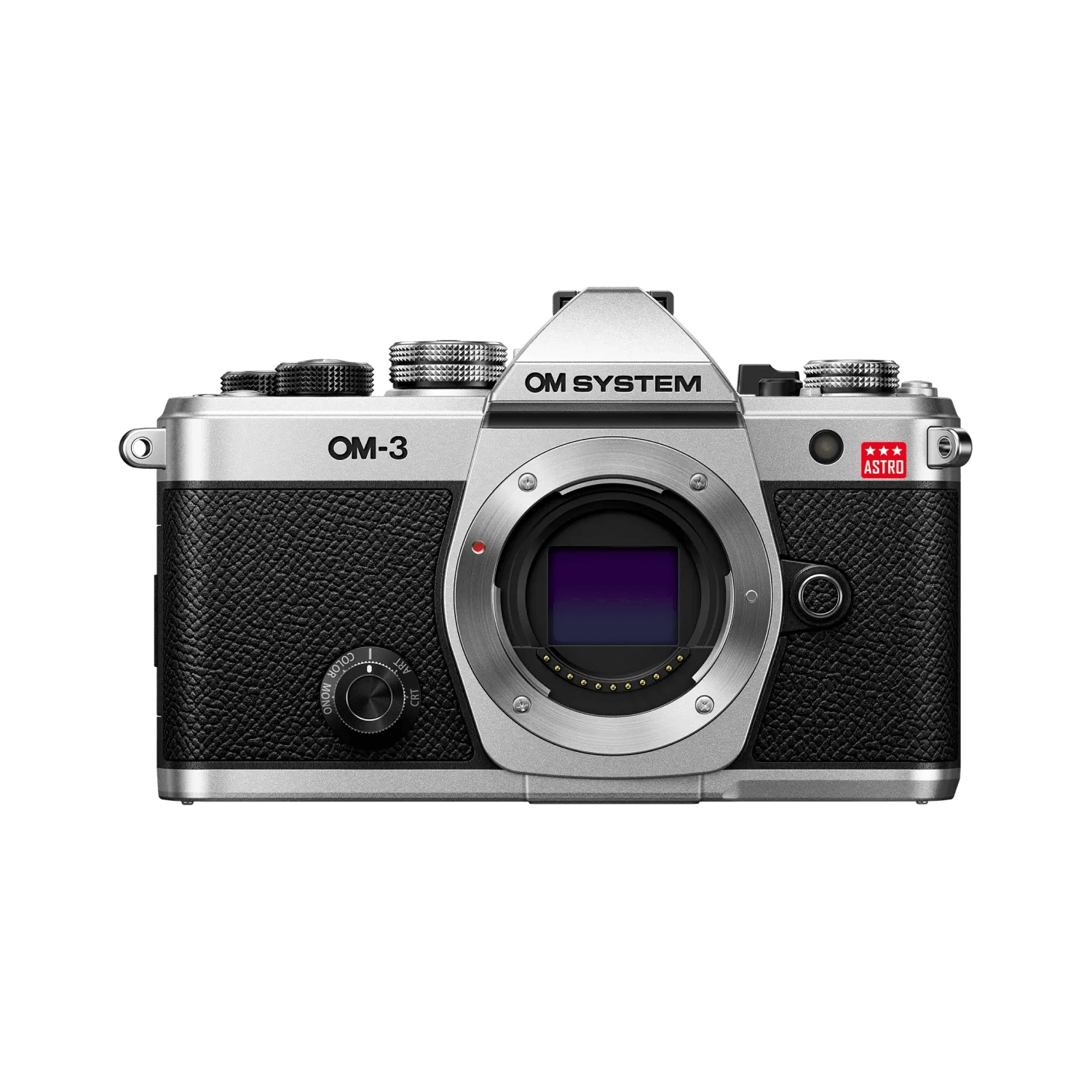
OM System OM-3 Astro
The only M43 camera built specifically for astrophotography. A modified IR-cut filter passes hydrogen-alpha light at 656nm that standard cameras block by around 75 percent, so red nebulae render vividly without a separate astro-modified body. Adds dedicated astro custom modes, night-sky colour profiles, and a night vision mode, on top of the OM-3 platform with Starry Sky AF, Live Composite, and 20.4MP stacked BSI sensor. The trade-off is a reddish cast in normal daylight shooting.
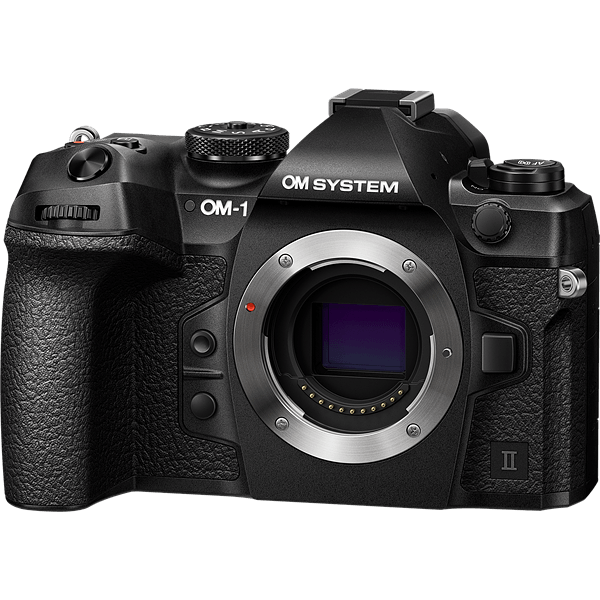
OM System OM-1 Mark II
The best general-purpose M43 astro body if you do not want the Astro’s daylight colour cast. Stacked 20MP BSI sensor with the system’s strongest high-ISO performance, plus the full night toolkit: Starry Sky AF, Live Composite, and high-res modes. Weather sealed for cold, damp nights.
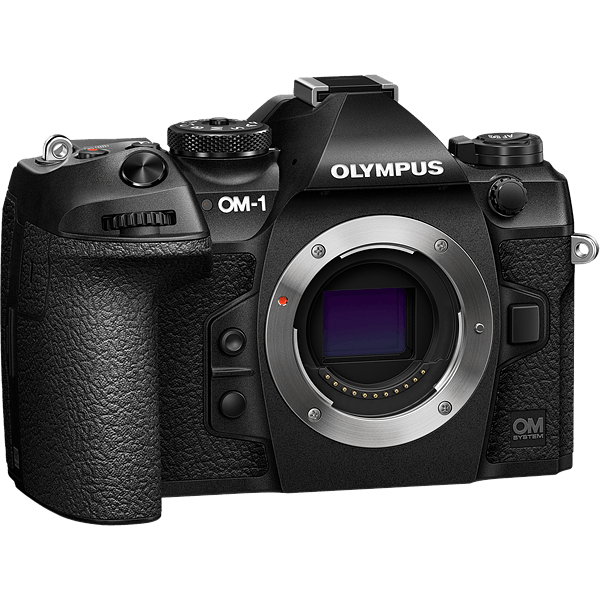
OM System OM-1
The same stacked sensor and the same Starry Sky AF and Live Composite as the Mark II, at a lower price. For night work the differences from the Mark II are minor, making it strong value for astro.
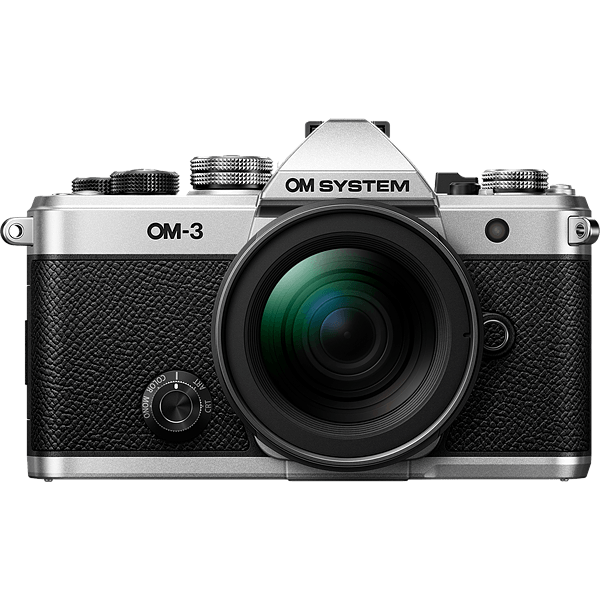
OM System OM-3
The standard OM-3: the OM-1 sensor and the same night features in a lighter, more compact body, without the Astro’s modified filter. The most portable serious astro option in M43 for travel to dark-sky sites, and the better choice if the camera also doubles as a daytime body.
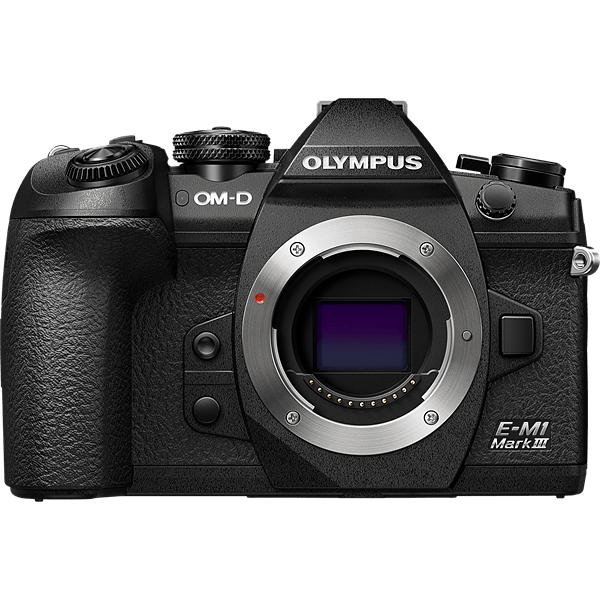
Olympus OM-D E-M1 Mark III Astro
The same hydrogen-alpha filter modification as the OM-3 Astro, applied to the older E-M1 Mark III body. It captures red nebulae vividly, includes Starry Sky AF and Live Composite, and ships with a light pollution filter and a soft filter. Built on the 2020 platform rather than the stacked OM-1 sensor, so it is a more affordable route to a factory-modified astro body. Like all modified bodies it carries a reddish daylight cast.
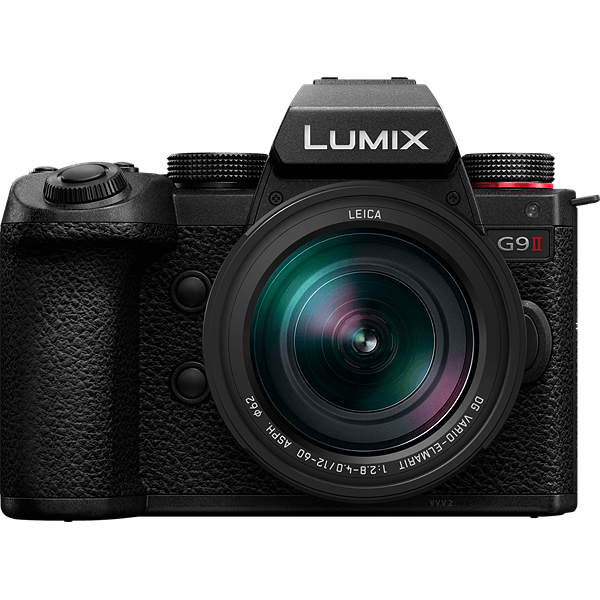
Panasonic Lumix G9 II
25MP sensor with strong detail and good high-ISO behaviour. Has Live Composite but not Starry Sky AF, so you focus on the stars manually. A capable stills body for night landscapes, especially if you already shoot Panasonic.
Frequently Asked Questions
Is Micro Four Thirds good for astrophotography?
Micro Four Thirds is capable for Milky Way landscapes, star trails, and constellation shots, though full frame collects about two stops more light per frame and produces cleaner single exposures. M43 closes much of the gap with fast wide lenses, strong stabilisation, and OM System computational features like Starry Sky AF and Live Composite. For deep-sky imaging of faint galaxies and nebulae through a telescope, full frame or a dedicated astro camera has the advantage.
What is Starry Sky AF?
Starry Sky AF is an OM System and Olympus autofocus mode that automatically focuses on stars in the night sky. Manual focusing on a point of light in the dark is the step most beginners get wrong, and slightly soft focus ruins every frame. Starry Sky AF removes that risk by detecting the stars and setting focus precisely, which is one of the strongest reasons to choose an OM System body for astrophotography.
What is Live Composite and why does it matter for astro?
Live Composite is a shooting mode that builds an image in real time, only adding new light to the frame as it appears rather than continuously brightening the whole exposure. This is ideal for star trails and light painting, because the sky background does not blow out no matter how long you shoot. It is found on OM System and Olympus bodies and on recent Panasonic Lumix bodies such as the G9 II. The feature that is exclusive to OM System and Olympus is Starry Sky AF, which autofocuses on the stars.
Which M43 camera is best for the Milky Way?
For Milky Way photography the OM System OM-1 Mark II is the best M43 choice. Its stacked 20MP BSI sensor has the cleanest high-ISO performance in the system, and it includes Starry Sky AF to nail focus on the stars and Live Composite for related night work. Paired with a fast wide lens such as the Laowa 7.5mm f/2 or Panasonic Leica 12mm f/1.4, it produces excellent Milky Way images. The OM-1 and OM-3 are close alternatives using the same sensor and features.
What is the OM System OM-3 Astro?
The OM-3 Astro is a version of the OM-3 built specifically for astrophotography. Its main difference is a modified infrared-cut filter that achieves full transmission of hydrogen-alpha light at 656 nanometres, the deep-red wavelength emitted by nebulae that standard camera filters block by around 75 percent. This lets red nebulae render vividly straight out of camera without sending a body off for third-party astro modification. It also adds dedicated astro custom modes and night-sky colour profiles. The trade-off is a reddish-pink colour cast in normal daylight photography, so it is best suited to photographers for whom the night sky is the priority.